메시지 남기기
당사 제품에 관심이 있으시고 자세한 내용을 알고 싶으시면 여기에 메시지를 남겨주세요. 최대한 빨리 답변드리겠습니다.

산업 화재는 일반적인 건축물 화재와 본질적으로 다릅니다. 석유화학 플랜트는 주로 인화성 액체 및 가연성 가스 화재에 직면하는 반면, 제조 시설과 창고 물류 센터는 일반 가연성 물질을 더 자주 다룹니다. — 이것이 다양한 유형의산업용 소방차가 다양한 화재 위험에 필요하게 되는 이유입니다.
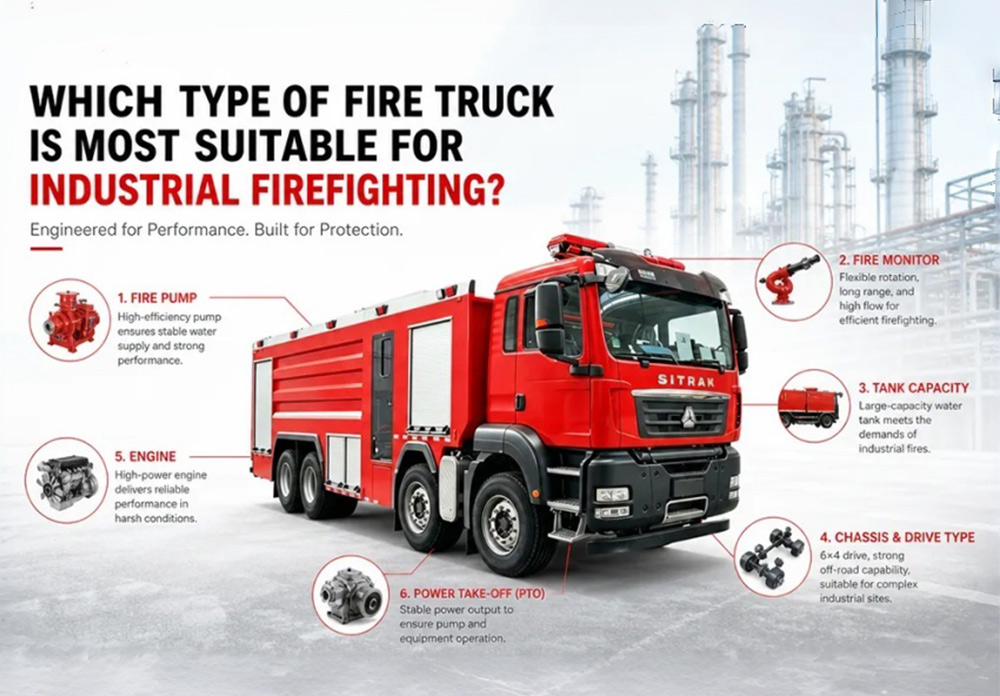
이 글에서는 물 소방차, 폼 소방차, 분말 소방차 및 복합 유닛을 비교합니다. 이 종합 구매 가이드는 조달 관리자, 엔지니어, 유통업체 및 계약업체가 산업용 소방차 유형 간의 주요 차이점을 이해하고 특정 산업 소방 요구 사항에 가장 적합한 차량을 선택하는 데 도움을 줍니다.
선택은 화재 유형, 산업 특성 및 소화 요구 사항을 기준으로 해야 합니다:
| 산업 | 권장 소방차 | 이유 |
| 석유화학 | 물 + 폼 + 분말 복합 유닛 | A급, B급, C급 및 전기 화재를 모두 대응하며 복잡한 화재 상황에 적응 가능 |
| 천연가스 / LNG | 분말 소방차 | 가스 화재를 빠르게 진압하고 재점화 위험 감소 |
| 일반 제조업 | 물 소방차 | 낮은 비용; A급 화재에 적합; 간단한 유지보수 |
| 창고 및 물류 | 폼 소방차 | 일반 가연물과 일부 액체 화재 모두 대응 가능 |
| 발전소 | 분말 + 폼 소방차 | 전기 장비 및 유류 화재 진압 요구 사항을 모두 충족 |
| 광업 | 6x4 물 소방차 | 높은 적재 용량; 우수한 비포장 도로 주행 능력; 험지에 적합 |
간단히 말하면:
일반 산업 시설: 물 소방차가 보통 충분합니다.
석유 및 화학 산업: 폼 소방차가 첫 번째 선택입니다.
특수 산업(천연가스, 전기 장비): 분말 소방차가 권장됩니다.
대규모 통합 산업 단지: 물 + 폼 + 분말 복합 유닛은 가장 종합적인 소방 능력을 제공하며 가장 다목적인 선택입니다.
소방차를 선택하기 전에 구매자는 시설에 존재하는 화재 위험을 이해해야 합니다. 산업 화재는 관련된 연료 유형에 따라 분류됩니다.
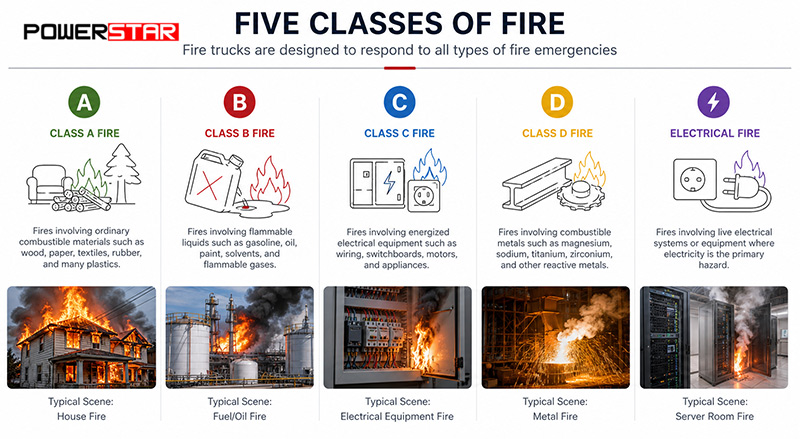
| 화재 등급 | 연료 유형 | 예시 | 필요한 소화 약제 |
| A급 | 일반 가연물 | 목재, 종이, 천, 고무, 플라스틱(고체 물질) | 물, 포, 분말 소화약제 |
| B급 | 인화성 액체 | 휘발유, 오일, 디젤, 화학물질, 용제 | 포, 분말 소화약제, CO2 |
| C급 | 인화성 가스 | 메탄, 프로판, 수소, 천연가스 | 분말 소화약제, 가스 차단 |
| D급 | 가연성 금속 | 마그네슘, 티타늄, 나트륨, 알루미늄 분말 | 특수 분말 소화약제만 사용 |
| 전기 | 전원이 공급된 장비 | 변압기, 개폐 장치, 전력선 | 분말 소화약제, CO2(비전도성) |
핵심 인사이트:대부분의 산업 시설은 주요 위험 요소로 B급(인화성 액체)과 C급(가스)에 직면합니다. 이것이 산업용 소방에서는 물만 사용하는 소방차가 최선의 선택인 경우가 드문 이유입니다.
소방차 유형을 자세히 살펴보기 전에 구매자는 산업용 소방 능력을 결정하는 10가지 핵심 기술 매개변수를 이해해야 합니다:
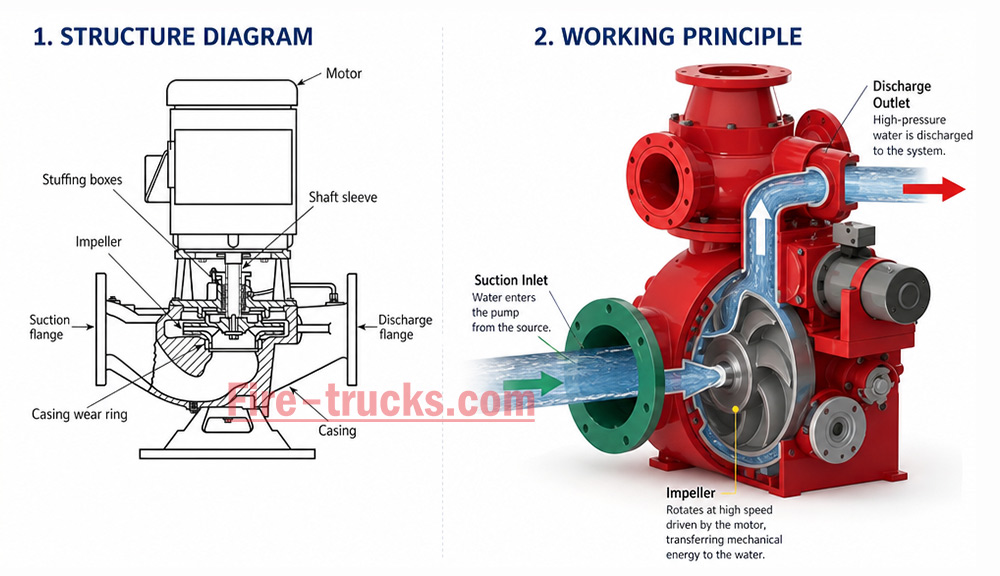
소방 펌프는 소방차의 핵심입니다. 탱크에서 소화 약제를 끌어와 가압한 후 호스와 방수포를 통해 공급합니다. 펌프 선택은 소방에 사용할 수 있는 유량과 압력을 결정합니다.
| 펌프 유형 | 유량 | 일반적인 적용 분야 |
|---|---|---|
| 단단 원심 펌프 | 1,000–3,000 L/min | 도시형 산업 소방차 |
| 2단 원심 펌프 | 2,000–6,000 L/min | 대형 산업용 펌프차 |
| 고압 펌프 | 최대 4.0 MPa | 고층 및 장거리 적용 |
주요 펌프 매개변수:
유량: 분당 공급할 수 있는 소화제의 양을 결정합니다
압력: 소화제가 얼마나 멀리 분사될 수 있는지를 결정합니다
프라이밍 시스템: 정적 수원에서 흡수 양수하기 위해 필요합니다
펌프는 일반적으로 동력 인출 장치(PTO) 시스템을 통해 트럭의 엔진으로 구동됩니다. PTO가 작동하면 엔진 동력이 전환되어 펌프 임펠러를 고속으로 회전시키고, 압력을 생성하여 소화제가 방출 시스템을 통해 추진되도록 합니다.
소화제는 화재를 억제하는 데 사용되는 화학적 또는 물리적 매체입니다. 서로 다른 소화제는 서로 다른 화재 등급에 작용합니다.
| 소화제 유형 | 적합한 용도 | 제한 사항 |
|---|---|---|
| 물 | A급 화재(일반 가연물) | B/C/D급 화재에는 효과가 없음; 전기 화재에는 위험함 |
| 포( AFFF/AR-AFFF ) | B급 화재(인화성 액체) | 가스 화재에는 효과가 없음; 비례 혼합 시스템 필요 |
| 분말 | B/C급 및 전기 화재 | 냉각 효과가 없음; 분말 구름으로 시야 감소 |
| CO2 | 전기 화재, 소규모 밀폐 공간 | 제한된 양; 질식 위험 |
포 비례 혼합 시스템:
포 소방차는 포 원액과 물을 정확한 비율(1%, 3%, 또는 6%)로 혼합하기 위해 비례 혼합 시스템이 필요합니다.
| 비례 혼합기 유형 | 혼합 비율 | 적용 |
|---|---|---|
| 고정식 비례 혼합기 | 3% 또는 6% 고정 | 일정 유량 작업 |
| 완전 자동 비례 혼합기 | 1%–6% 조절 가능 | 가변 유량 조건 |
소방 모니터는 산업용 소방에서 주요 방출 장치입니다. 트럭의 지붕이나 회전대에 장착되며 화재로부터 안전한 거리에서 원격 작동할 수 있도록 합니다.
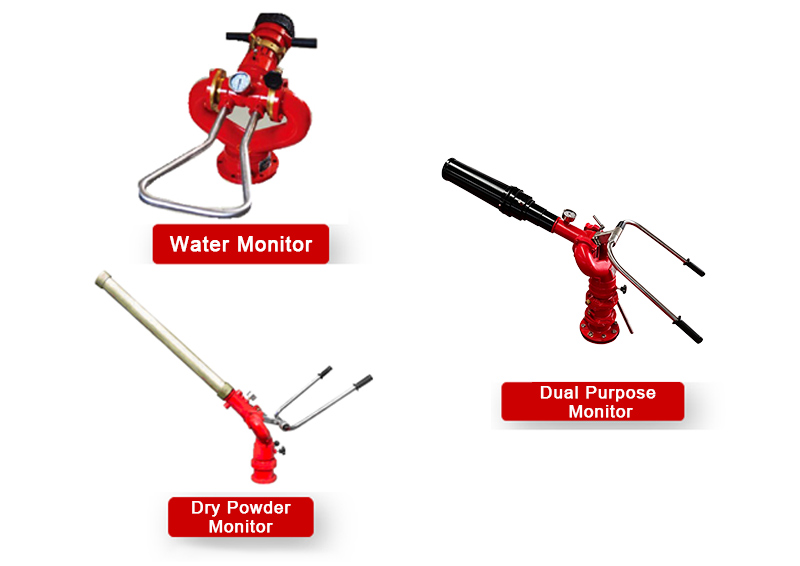
| 모니터 유형 | 유량 | 도달 거리 | 적용 |
|---|---|---|---|
| 수동 모니터 | 1,200–4,000 L/min | 40–60 m | 소규모 시설 |
| 원격 제어 모니터 | 2,000–6,000 L/min | 60–80 m | 석유화학 공장, 정유소 |
| 포 모니터 | 1,000–4,000 L/min | 50–70 m | 인화성 액체 화재 |
모니터 특징:
수평 회전: 360° 연속 회전
수직 각도 조절: -30°~+70° (일반적 범위)
이중 용도 설계: 물 및 포 사용 가능
원격 제어 기능: 안전한 거리에서 작동 가능
물과 포 탱크 용량은 소방차가 소방 작업을 얼마나 오래 지속할 수 있는지를 결정하며, 차량의 운용 지속성에 영향을 미치는 핵심 매개변수입니다.
일반 지침:
3,000–5,000 L: 중소 규모 공장에 적합
6,000–8,000 L: 대형 제조 기업에 적합
10,000 L 이상: 석유화학 공장, 항만, 공항 및 기타 대형 산업 시설에 적합
섀시는 소방차의 적재 용량, 출력 성능 및 오프로드 성능을 결정합니다.
일반적인 구동 구성:
4×2: 일반 공장 및 도시 산업 단지에 적합
4×4: 산악 지역, 산림 지역 및 험지에 적합
6×4: 적재 용량과 기동성의 균형이 필요한 대형 산업용 소방차에 적합
6×6: 광산, 유전 및 오프로드 환경에 적합
8×4: 초대형 용량의 물 및 포 소방차에 적합
엔진은 차량을 구동할 뿐만 아니라 소방 펌프와 PTO 시스템에 안정적인 동력을 공급하는 역할도 합니다.
일반적인 출력 범위:
220–280 hp: 중형 소방차
300–400 hp: 대형 소방차
450 hp 이상: 중장비 산업용 소방차
구매 조언:엔진 출력은 차량 총중량 및 소방 시스템 구성과 일치해야 합니다.
PTO(Power Take-Off)는 엔진 동력을 소방 펌프로 전달하는 역할을 하며, 소방차의 정상적인 작동을 위한 핵심 부품입니다.
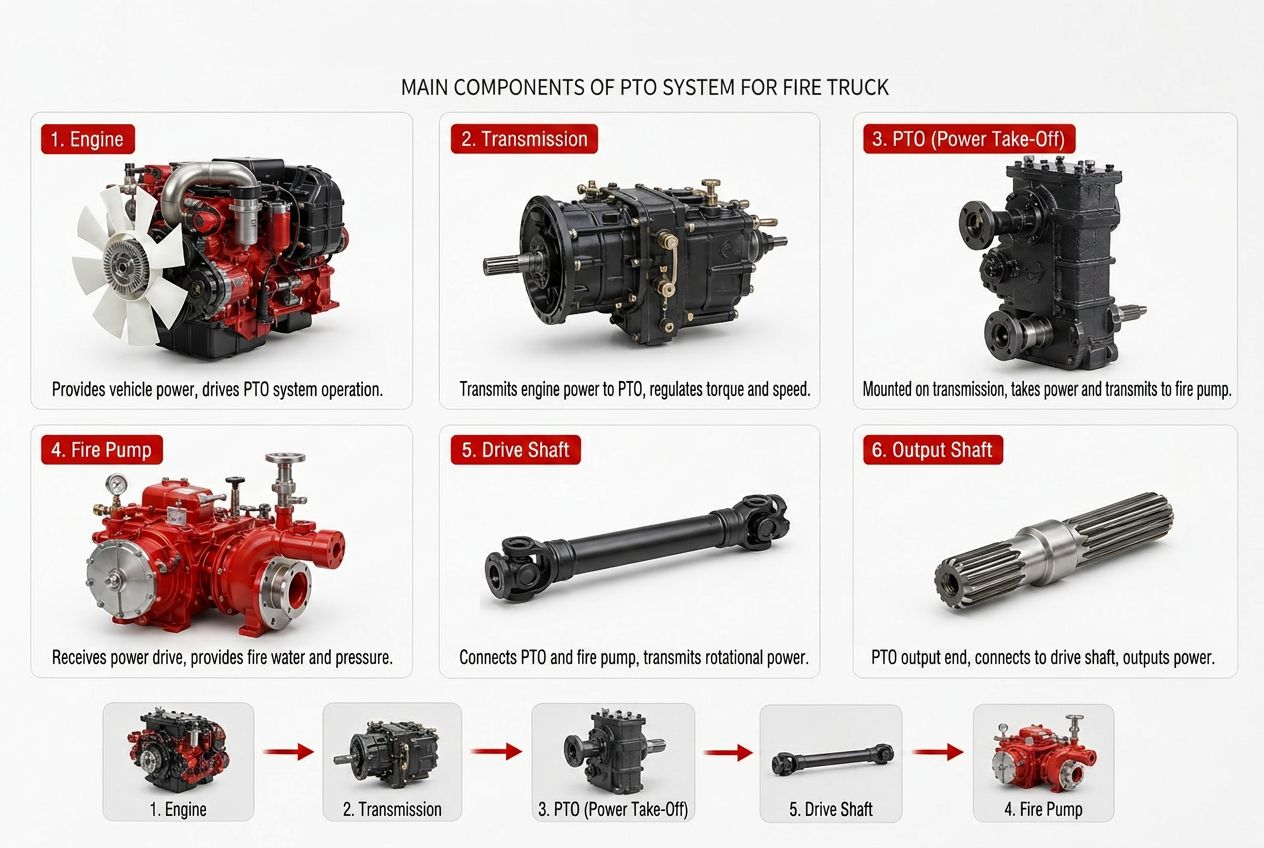
현대 산업용 소방차는 일반적으로 다음 기능을 가능하게 하는 지능형 제어 시스템을 갖추고 있습니다:
원버튼 펌프 시작/정지
자동 포 소화약제 혼합 비율 조절
원격 제어 소방 모니터
실시간 압력 모니터링
고장 경보
구매 조언:작동이 간단하고 안정성이 높으며 유지보수가 쉬운 제어 시스템을 우선적으로 선택하십시오.
포 소방차는 석유화학 시설, 정유소 및 연료 저장 터미널에서 널리 사용됩니다. 연료 표면을 덮는 안정적인 포를 생성하여 산소 공급을 차단하고 냉각 효과를 제공합니다.
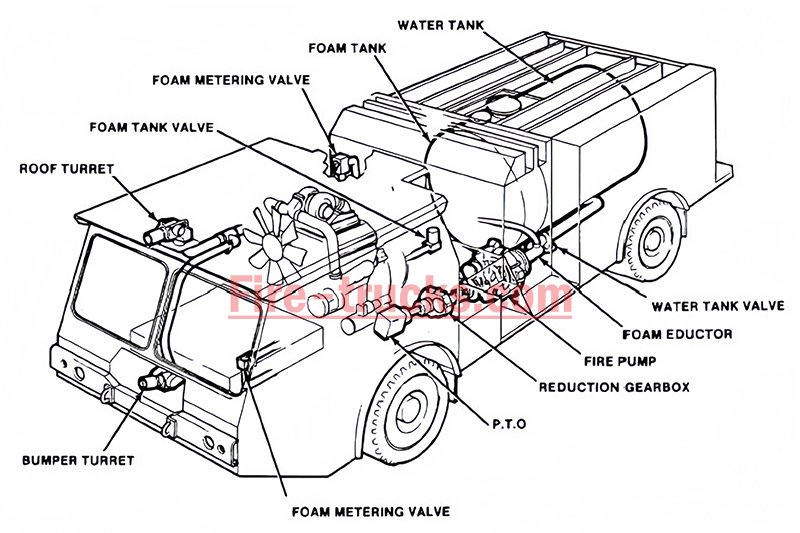
| 특징 | 사양 |
|---|---|
| 소화약제 유형 | 포 용액(물 + 포 원액) |
| 혼합 비율 | 1%, 3% 또는 6%(자동 또는 고정) |
| 물 탱크 | 2,000–12,000 L |
| 포 탱크 | 200–2,000 L |
| 펌프 압력 | 0.8–1.2 MPa |
| 모니터 도달 거리 | 50–70 m |
| 소화 메커니즘 | 포 포위 + 냉각 |
| 적합한 대상 | B급(가연성 액체), 공항, 석유화학 공장 |
포 작동:
물과 포 원액은 혼합 장치에 의해 정확한 비율(1%, 3% 또는 6%)로 혼합됩니다.
포 용액은 소방 펌프에 의해 가압됩니다(0.8–1.2 MPa).
용액은 호스를 통해 포 노즐로 이동합니다.
노즐에서 공기가 용액에 혼입되어 팽창 포가 생성됩니다.
포는 연료 표면을 덮는 두껍고 안정적인 층 형태로 방출됩니다.
분말 소방차는 발전소 및 화학 공장과 같이 가스 또는 전기 화재 위험이 있는 시설에 필수적입니다.
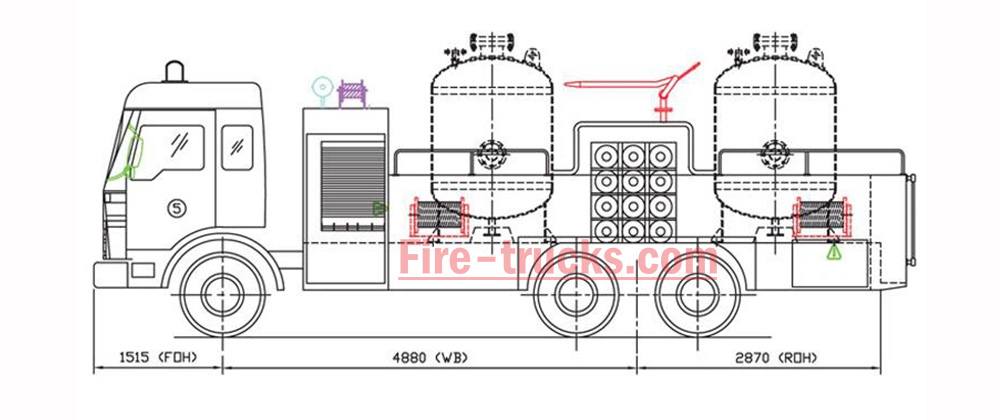
| 특징 | 사양 |
|---|---|
| 약제 유형 | 건식 화학 분말(인산일암모늄, 탄산수소나트륨) |
| 분말 탱크 | 2,000–10,000 kg |
| 추진 가스 | 압축 질소(13–20 MPa) |
| 작동 압력 | 1.4–2.5 MPa |
| 방사 범위 | 10–30 m |
| 방출 지속 시간 | 30–120초 |
| 소화 메커니즘 | 화학 연쇄 반응 차단 |
| 적합 대상 | B급(가스 화재), C급(가스), 전기 화재 |
분말 작동 방식:
고압 실린더에서 압축 가스(질소)가 방출됨
가스가 압력 조절기를 통과함(13 MPa에서 1.4–2.5 MPa로 감소) → 분말 탱크로 유입됨
가압 가스가 탱크 밖으로 분말을 밀어냄
분말-가스 혼합물이 호스를 통해 방출 노즐로 이동함
분말이 건식 구름 형태로 분출되어 연소 연쇄 반응을 차단함
조합 장치는 다양한 위험 요소가 있는 산업 현장에 최고의 다용성을 제공한다. 물, 포 농축액, 건식 분말을 별도의 탱크에 저장한다.
| 특징 | 사양 |
|---|---|
| 약제 유형 | 물 + 포 + 건식 분말 |
| 물 탱크 | 2,000–8,000 L |
| 포 탱크 | 200–1,000 L |
| 분말 탱크 | 500–2,000 kg |
| 펌프 압력 | 0.8–1.4 MPa |
| 방사 장치 유형 | 이중 용도(물/포) + 분말 노즐 |
| 적합 대상 | 복합 위험 산업 단지 |
사례 배경:
직경 100미터의 원유 저장 탱크를 보유한 한 석유화학 플랜트에서는 새로운 소방차가 필요했다. 해당 시설에는 자체 소방대가 없었으며 계약된 소방 서비스에 의존하고 있었다.
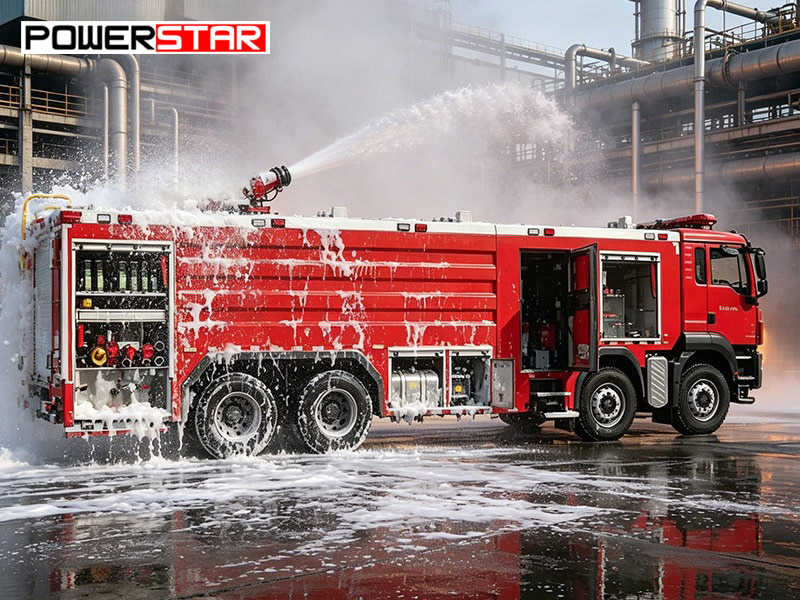
위험 평가:
주요 위험: B급(인화성 액체 – 원유, 정제 제품)
2차 위험: A급(사무실 건물, 창고)
필요 소화 약제: 폼(탄화수소 화재용 AR-AFFF)
필요 방수량: 0.8MPa에서 최소 4,000L/min
필요 폼 원액: 3% AR-AFFF
필요 폼 공급량: 45분간 연속 방출
선정된 솔루션:
8×4 섀시(중장비용 산업 섀시)
2단 원심 펌프를 장착한 폼 소방차
물 탱크: 10,000L
폼 탱크: 2,000L(3% AR-AFFF)
원격 제어 폼 모니터(4,000L/min, 70m 도달 거리)
완전 자동 폼 혼합기(1%–6% 조절 가능)
폼 운반차 지원용 보조 폼 공급 연결부
비용 비교:
| 차량 유형 | 초기 비용 | 운영 비용(5년) | 총 5년 비용 |
|---|---|---|---|
| 시립 소방차 스타일 펌퍼(물만 사용) | $350,000 | $120,000 | $470,000 |
| 폼 소방차 | $550,000 | $180,000 | $730,000 |
| 복합 장비(폼 + 분말) | $700,000 | $220,000 | $920,000 |
결과:
폼 소방차가 선정되었다. 이 차량은 0.8MPa에서 필요한 4,000L/min의 방수량을 45분간 연속 폼 방출로 제공했다. 이 시스템은 납품 후 12개월 이내 발생한 소규모 탱크 화재 사고에서 성공적으로 작동했으며, 화재가 확대되기 전에 진압했다.
핵심 교훈:
대형 석유화학 시설에서는 적절한 용량의 물과 폼 저장 능력을 갖춘 알맞은 규모의 폼 소방차에 투자하는 것이 대형 화재 사고로 인한 비용보다 훨씬 경제적이다.
| 비용 요소 | 물 소방차 | 폼 소방차 | 건식 분말 소방차 | 복합 장치 |
| 차량 구매 | $250,000–$450,000 | $400,000–$700,000 | $300,000–$550,000 | $600,000–$900,000 |
| 소화약제 비용(연간) | 낮음(물만 사용) | 중간(폼 농축액 $5,000–$15,000) | 중간(분말 $3,000–$8,000) | 높음($8,000–$20,000) |
| 유지보수(연간) | $5,000–$10,000 | $10,000–$20,000 | $8,000–$15,000 | $15,000–$25,000 |
| 교육(첫해) | $5,000–$10,000 | $10,000–$20,000 | $8,000–$15,000 | $15,000–$25,000 |
Q: 석유화학 플랜트에서 가장 일반적인 소방차 유형은 무엇인가요?
A: 폼 소방차가 가장 일반적인 선택입니다. 빠른 진압을 제공하고 재점화를 방지하기 위한 냉각 효과를 제공하며, 폼 덮개가 인화성 액체 위에 보호 장벽을 형성합니다.
Q: 물 전용 소방차를 산업용 소방에 사용할 수 있나요?
A: 일반적으로 아니요. 물은 B급(인화성 액체) 및 C급(가스) 화재에 효과가 없습니다. 일부 경우에는 물이 끓어넘침이나 튀김 현상을 일으켜 화재를 확산시킬 수도 있습니다. 산업용 소방차는 폼 또는 건식 분말을 탑재해야 합니다.
Q: 폼 소방차와 폼 운반차의 차이점은 무엇인가요?
A: 폼 소방차는 자체 물탱크, 펌프, 폼 탱크 및 방수포를 갖춘 독립형 소방 차량입니다. 폼 운반차는 대량의 폼 농축액을 현장으로 운반하여 다른 소방차에 공급하는 보급 차량입니다.
Q: 산업용 소방차에는 얼마나 많은 폼 농축액이 필요한가요?
A: 일반적인 석유화학 화재의 경우 2,000–5,000리터의 폼 농축액이 권장됩니다. 3% 혼합 비율에서는 완성된 폼 66,000–165,000리터가 생성됩니다. 더 큰 시설이나 고위험 구역에서는 5,000–10,000리터가 권장됩니다.
Q: 어떤 혼합 비율을 선택해야 하나요?
A: 탄화수소 화재(석유, 휘발유, 디젤)에는 3% AR-AFFF를 선택하세요. 극성 용매 화재(알코올, 케톤, 에스터)에는 6% AR-AFFF를 선택하세요. 많은 시설에서는 혼합 위험에 대한 절충안으로 3%를 선택하지만, 구체적인 권장 사항은 폼 제조업체에 문의해야 합니다.
Q: 복합 장치(폼 + 분말)는 추가 비용을 지불할 가치가 있나요?
답변: 가연성 액체와 가스/전기 위험이 모두 존재하는 다중 위험 산업 단지의 경우에는 그렇습니다. 이러한 다용성은 더 높은 비용을 정당화합니다. 한 가지 유형의 위험만 있는 시설에서는 일반적으로 특수 목적 장치로 충분합니다.
화재 위험에 맞는 소화 약제를 선택하십시오(클래스 B = 포, 클래스 C/가스/전기 = 건조 분말).
충분한 물과 포 저장 용량을 확보하십시오(석유화학 시설의 경우 최소 물 10,000L + 포 2,000L).
펌프 유량이 시설 요구 사항을 충족하는지 확인하십시오(고위험 시설의 경우 최소 0.8MPa에서 4,000L/min).
대형 사고에 대비해 포 운반차 지원을 고려하십시오.
다중 위험 산업 단지의 경우, 조합형 장치는 가장 뛰어난 유연성을 제공합니다.
초기 구매 가격뿐만 아니라 전체 수명 주기 비용을 고려하십시오.
산업용 소방에 적합한 소방차를 선택하려면 시설의 화재 위험, 적절한 소화 약제, 이용 가능한 소방차 유형에 대한 명확한 이해가 필요합니다.
포 소방차은 대부분의 석유화학, 정유소 및 연료 저장 시설 용도에서 선호되는 선택입니다.
건조 분말 소방차은 가스, 전기 및 화학 화재 위험에 필수적입니다.
조합형 장치는 다중 위험 산업 단지에서 최대의 다용성을 제공하지만 비용이 더 높습니다.
물 소방차는 주로 클래스 A 화재 위험이 있는 일반 제조 시설 및 창고에 비용 효율적인 해결책으로 남아 있습니다.
가장 중요한 원칙은 여전히 다음과 같습니다:소화 약제를 화재 위험에 맞추십시오.물만으로는 산업용 소방에 충분한 경우가 드뭅니다.


다음 정보에 관심이있을 수 있습니다
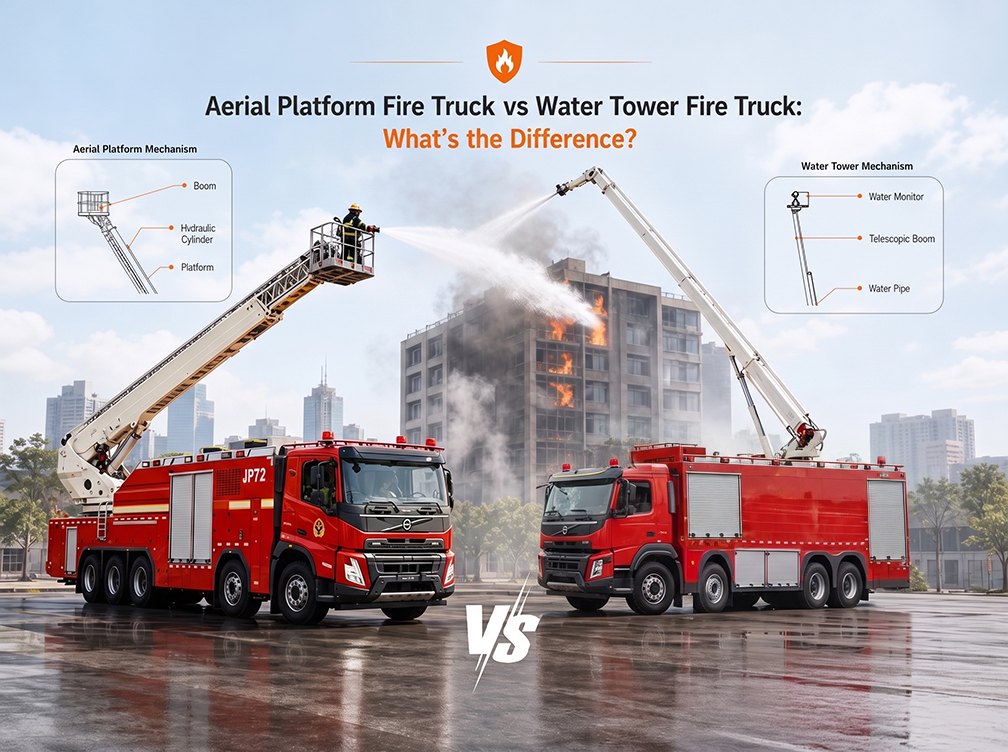
고층 건물, 산업 시설 또는 대형 창고의 화재 진압과 관련하여고가 플랫폼 소방차와워터 타워 소방차는 필수적입니다. 하지만 다양한 종류의 고가 소방 장비 중 두 가지가 자주 혼동을 일으킵니다. 두 차량은 모두 유압 붐을 장착하고 고층 화재 진압을 위해 설계되었다는 점에서 처음 보면 비슷해 보일 수 있지만, 근본적으로 다른 임무를 수행합니다. 이 글에서는 이 두 차량 유형의 주요 차이점을 분석하여 소방 서비스 전문가, 조달 관리자 및 장비 유통업체가 운용 요구 사항에 기반해 정보에 입각한 결정을 내릴 수 있도록 돕습니다. I. 고가 플랫폼 트럭이란? 중국 국가 표준 GB 7956.12-2015에 따르면, 두 차량 모두고가 소방 차량범주에 속합니다. 이는 고공 작업을 위해 승강 붐, 회전 플랫폼 및 소방 장비를 갖춘 차량입니다. 그러나 구체적인 정의에서는 중요한 차이점을 보여줍니다. 고가 플랫폼 소방차 고가 플랫폼 소방차는 접이식 또는 접이식-신축 결합 붐, 인원 플랫폼, 회전 플랫폼 및 소방 장치를 갖추고 있습니다.핵심 작업 플랫폼(버킷)은 붐 끝에 위치하며, 소방관이 그 위에 올라 구조 및 화재 진압 작업을 수행할 수 있다는 점이 특징입니다. 주요 특징:• 다음 인원과 장비를 운반할 수 있는 플랫폼 장착• 750파운드에서 1,500파운드 이상• 구조 및 화재 진압모두를 위해 설계됨—소방관은 플랫폼에서 직접 작업할 수 있음• 플랫폼은 하강 제어 장치, 유압 윈치 또는 구조용 슬라이드를 함께 사용할 수 있음• 워터 타워와 비교하여 더 넓은 수평 도달 범위와 더 큰 작업 범위를 제공함I I.II. 워터 타워 소방차란? 워터 타워 소방차는 접이식 또는 접이식-신축 결합 붐, 회전 플랫폼 및 소방 장치를 갖추고 있습니다—인원 플랫폼은 없습니다.대신 붐 끝부분에 방수포(물대포)가 장착되며, 지상에서 원격으로 제어할 수 있습니다 .주요 특징:• 인원 플랫폼 없음—소방관은 원격 제어를 통해 지상에서 작업함• 전적으로고공 화재 진압에 중점을 둠, 구조 작업은 아님• 매우 높은 물 흐름을 제공합니다—분당 2,000갤런 초과많은 산업용 모델에서구조 능력이 필요하지 않은 산업용 화재 보호를 위해 설계됨 III. 나란히 비교 특징 고가 작업 플랫폼 소방차 워터 타워 소방차 주요 기능 구조 + 소방 소방 전용 붐 끝 장비 인원을 위한 작업 플랫폼(바스켓) 소화 모니터(물대포) 붐 위 인원 예—소방관이 플랫폼에서 작동 가능 아니오—원격 제어를 통해 지상에서 작동 구조 능력 높음—갇힌 사람을 대피시킬 수 있음 없음 물 흐름 용량 최대 1,500+ GPM 2,000+ GPM(산업용 모델) 일반 작동 높이 50–130피트 50–130피트 플랫폼/바스켓 용량 750–1,500+파운드 해당 없음 중량 더 무거움(예: 54m 모델은 36톤) 상대적으로 가벼움 가장 적합한 용도 도시 고층 구조, 다목적 소방 부서 산업 현장, 대규모 화재 진압 Ⅳ. 고가 작업 플랫폼 소방차를 선택하는 경우 고가 작업 플랫폼 소방차는 궁극적인 다목적 고가 장비—하나의 차량으로 소방과 구조를 모두 처리합니다 . 작업 플랫폼은 높은 곳에서 안정적이고 안전한 작업 환경을 제공하여 지상 사다리 등반과 관련된 위험을 크게 줄입니다. 가장 적합한 용도:•도심 고층 구조 작업—상층에 갇힌 주민 대피•여러 기능을 수행할 하나의 차량이 필요한 소방서—플랫폼은 환기, 구조, 소방 작업에 사용할 수 있음•고층 화재 현장에서 인력이 직접 작업해야 하는 상황—창문 개방, 수색 작업 수행, 소화 방수의 정밀한 지휘 등이 해당됨 장점:• 더 높은 인력 및 장비 운반 능력• 복합 대응 소방서에 적합한 더욱 폭넓은 기능적 활용성• 플랫폼에 추가 장비 장착 가능(노즐, 열화상 카메라, 구조 장비) 단점:• 동급 워터 타워보다 무겁고 가격이 비쌈• 더 복잡한 구조로 인해 유지보수 요구 사항이 증가함• 순수 소방 임무에서는 워터 타워보다 설치 시간이 더 오래 걸림 V. 워터 타워 소방차를 선택하는 경우 워터 타워 소방차는 전문적으로지속적인 대량 고층 화재 진압이 필요한 상황에 적합하며 구조 능력은 필요하지 않습니다. 인력 탑승 플랫폼이 없기 때문에 구조 플랫폼의 무게와 복잡성 없이 더 단순한 설계, 낮은 비용, 그리고 핵심적으로 더 높은 방수 용량을 확보할 수 있습니다. 가장 적합한 용도:•산업 화재 방호—석유 저장 탱크 단지, 화학 공장, 대형 창고•별도의 구조 차량을 보유한 소방서—워터 타워를 오직 화재 방수 용도로 사용•건물 규모가 큰 장소에서 고층 위치로부터 극대화된 방수량이 필요한 경우•예산을 중시하는 소방서에서 구조 능력이 이미 다른 장비로 확보된 경우 장점:• 많은 모델에서 더 높은 방수 용량(2,000+ GPM) 제공• 플랫폼형 차량보다 낮은 비용과 단순한 유지보수• 순수 진압 작업을 위해 약간 더 가볍고 위치 설정이 용이함 단점:• 구조 기능 없음—갇힌 사람을 대피시킬 수 없음• 소방관은 원격 제어를 통해 지상에서 운용해야 하므로 현장 대응의 유연성이 감소함• 구조 작업을 위해 다른 차량에 의존해야 함 Ⅵ. 주요 설계 및 성능 차이 운용 높이 및 도달 범위 두 차량 유형 모두 약 50피트에서 130피트 이상의 운용 높이 범위로 제공됩니다. 그러나 고가 플랫폼은 일반적으로 더 넓은 작업 범위—장애물을 가로질러 수평으로 도달할 수 있는 능력—를 제공하는데, 이는 굴절식 붐의 유연성 때문입니다. 워터 타워는 일반적으로 구조가 단순하지만, 대형 다단 붐(일부 모델의 6단 접이식 붐과 같은)을 갖출 수 있으며, 앞으로 최대 58미터, 위쪽으로 최대 62미터까지 확장할 수 있고, 아래쪽 확장 능력은 45미터입니다. 중량 및 공간 요구 사항 고가 플랫폼 차량은 상당히 무겁습니다강화된 붐과 플랫폼 구조 때문입니다. 예를 들어 54미터 고가 플랫폼 차량은 무게가 36톤에 달할 수 있는 반면, 같은 높이의 비교 가능한 워터 타워는 더 가벼울 수 있습니다이 중량 차이는 다음 항목에 영향을 줍니다: • 교량 및 도로 하중 제한—더 무거운 차량은 특정 경로에서 제한될 수 있음• 아웃리거 전개 폭—대형 장비는 안정화를 위해 더 많은 공간이 필요함(일반적으로 ...
세부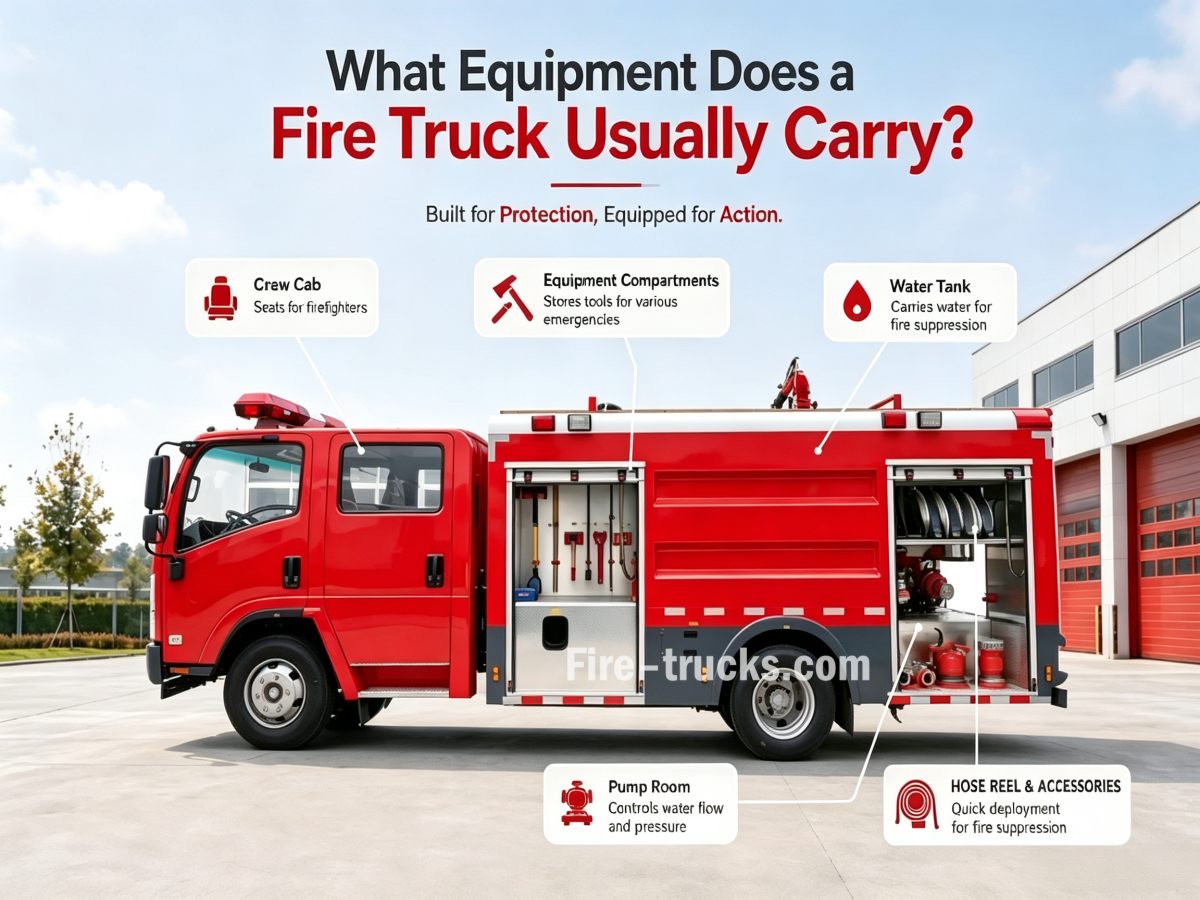
소방차는 일반적으로 소방, 급수, 구조 및 안전 보호 장비를 탑재합니다. 일반적인 장비에는 소방 펌프, 물탱크, 소방 호스, 소방 노즐, 방수포, 밸브, 소방 사다리, 구조 도구, 보호 장비 및 통신 장치가 포함됩니다. 이 문서는 표준소방차장비의 분류, 기능 및 선택 시 고려 사항을 체계적으로 분석하여 조달 전문가와 최종 사용자가 소방 장비 구성에 대해 완전하게 이해할 수 있도록 돕습니다. I. 소방차 장비의 분류 1. 소방 장비— 화재를 직접 진압하기 위한 핵심 도구로, 소방 노즐, 방수포, 소방 호스, 급수 분배기 및 어댑터를 포함합니다. 2. 구조 및 진입 장비— 구조 및 소방 작업을 위한 접근 경로를 만드는 도구로, 유압 구조 장비, 소방 도끼, 지렛대, 쇠지레, 절단 톱 및 체인톱을 포함합니다. 3. 구조 및 인명 구조 장비— 인원의 수색, 이송 및 보호를 위한 장비로, 들것, 구조 로프, 안전 훅, 하강 제어 장치, 공기호흡기(SCBA) 및 예비 공기 실린더를 포함합니다. 4. 연기 배출 및 조명 장비— 화재 현장 환경 개선을 위한 장비로, 연기 배출기, 이동식 조명 타워 및 휴대용 고강도 탐조등을 포함합니다. 5. 개인 보호 장비(PPE)— 소방관의 안전을 보호하기 위한 장비로, 헬멧, 구조 화재 진압용 보호복, 장갑, 부츠 및 안전벨트를 포함합니다. 6. 통신 및 정찰 장비— 화재 현장 정보 수집 및 지휘 협조를 위한 장비로, 양방향 무전기, 열화상 카메라 및 유독 가스 감지기를 포함합니다. II. 소방차의 소방 장비 1. 소방 펌프 소방 펌프는 모든 소방 작업의 동력원입니다. 물에 기계적으로 압력을 가하여 충분한 운동 에너지를 제공하고, "흡수 → 가압 → 이송 → 방출"의 전체 과정을 수행할 수 있도록 합니다. 일반적인 소방 펌프 사양: •표준 압력 소방 펌프(CB10/30 유형):유량 ≥30L/s, 정격 압력 1.0MPa, 후면 장착 방식. 표준 급수차 및 폼 소방차에 적합하며, 대부분의 도시 및 산업용 소방 급수 요구 사항을 충족합니다. •중압/고압 소방 펌프:저압 유량 1.0MPa에서 30L/s, 고압 유량 2.0MPa에서 20L/s, 후면 장착 방식. 이중 압력 설계로 하나의 펌프에서 대용량 급수(저압)와 장거리/고층 건물 방수(고압)를 모두 지원합니다. 도시 주력 소방차 및 고층 화재 진압 상황에 적합합니다. •고압 소방 펌프:유량 10-15L/s, 압력 최대 4.0MPa 이상, 후면 장착 또는 중앙 장착 방식. 고압 미세 물분무 시스템에 사용되며, 공항 소방차 및 특수 산업 차량에서 흔히 사용됩니다. 완전한 급수 시스템 흐름 경로: 물탱크 / 자연 수원 → 소방 펌프(핵심) → 방출구 → 급수 분배기 → 소방 호스 → 노즐 / 방수포 2. 방수포 방수포는 소방차의 지붕 또는 플랫폼에 고정되는 대유량 방수 장치로, 대규모 화재를 장거리에서 진압하도록 설계되었습니다. 제어 방식에 따라 방수포는 다음과 같이 분류됩니다: •수동 방수포:핸드휠을 통해 방향을 조정합니다. 구조가 간단하고 신뢰성이 높으며 비용이 낮습니다. 읍면 지역 및 산업 소방대 소방차에 적합합니다. •전동 제어 방수포:운전석 패널 또는 휴대용 조종기를 통해 원격으로 작동합니다. 수평 회전(0°–360°) 및 상하 각도 조절(-15°~+75°) 기능을 제공합니다. 도시 주력 소방차에 적합합니다. •원격 제어 모니터:무선 원격 제어를 통해 100~300미터 떨어진 곳에서 작동합니다. 석유 탱크 저장 시설, 공항, 화학 화재와 같은 고위험 상황에 적합합니다. 3. 소방 노즐(휴대용) 소방 노즐은 한 명 또는 두 명의 소방관이 조작하는 휴대용 장치로, 소방 호스에 직접 연결되어 압력이 가해진 물을 특정 방수 형태로 변환합니다. 소방 모니터와의 주요 차이점은노즐은 손으로 잡고 수동으로 조준한다는 점입니다. 노즐은 유량은 낮지만 이동성이 더 뛰어나며, 반면 모니터는 장착대나 플랫폼에 고정되어 이동성은 없지만 더 높은 유량과 더 긴 방사 거리를 제공합니다. 방수 형태에 따른 소방 노즐 분류: •직사 노즐:직사 방식만 지원합니다. 구조가 단순하고 비용이 낮으며 고장률이 낮습니다. 읍·면 소방대와 예비 차량에 적합합니다. •직사/분무 다목적 노즐:직사, 분무, 안개 분사 형태를 지원하며 노즐 슬리브를 회전시켜 전환합니다. 현대 도시 주력 소방차의 표준 구성입니다. •반동력 감소 노즐:특수한 내부 유로 설계로 반동력을 줄여, 장시간 사용 중 소방관이 더 쉽고 안전하게 조작할 수 있도록 합니다. 4. 물탱크 물탱크는 소방차에 탑재된 물 공급을 제공합니다. 탱크 용량은 차량 유형과 운용 상황에 따라 달라집니다. 도시 소방차는 더 작은 탱크를 탑재할 수 있는 반면, 산업용 소방차는 장시간 또는 고유량 소방 작업을 위해 일반적으로 더 큰 용량이 필요합니다. 5. 소방 호스 소방 호스는 소방차에서 화재 현장으로 물이나 포말을 운반합니다. 일반적인 소방차에는 다음이 탑재됩니다: •방수 호스— 소방차에서 화재 현장으로 물을 공급하는 용도 •흡수 호스— 연못, 강, 저수지 또는 기타 외부 수원에서 물을 흡입할 때 특히 중요 III. 밸브 및 급수 시스템 구성품 소방차는 물과 소화 약제의 흐름을 제어하기 위해 완전한 급수 시스템이 필요합니다. 주요 구성품은 다음과 같습니다: • 흡입 밸브• 방수 밸브• 탱크 밸브• 배수 밸브• 물 분배기• 스트레이너• 배관 이러한 구성품은 탱크, 펌프, 호스 및 모니터 사이의 물 흐름을 유도하고 제어하여 작업 중 효율적이고 안정적인 물 공급을 보장합니다. IV. 구조 및 돌파 장비 소방관은 고열, 짙은 연기, 어둠을 포함한 위험한 환경에서 자주 작업합니다. 소방차에는 이러한 환경에 대응하기 위한 다양한 구조 및 안전 장비가 탑재될 수 있습니다. 1. 돌파 도구 •유압 절단기:유압 압력으로 작동하여 철근, 금속 문, 창틀 및 차량 A/B 필러를 절단합니다. 차량 구조 작업에서는 변형된 차체 프레임을 신속하게 절단하여 구조 접근 공간을 만듭니다. •유압 확장기:유압 압력으로 작동하여 문을 강제로 열고 무거운 물체를 들어 올립니다. 충돌 후 차량 문을 열거나 팔다리가 끼인 상황에서 공간...
세부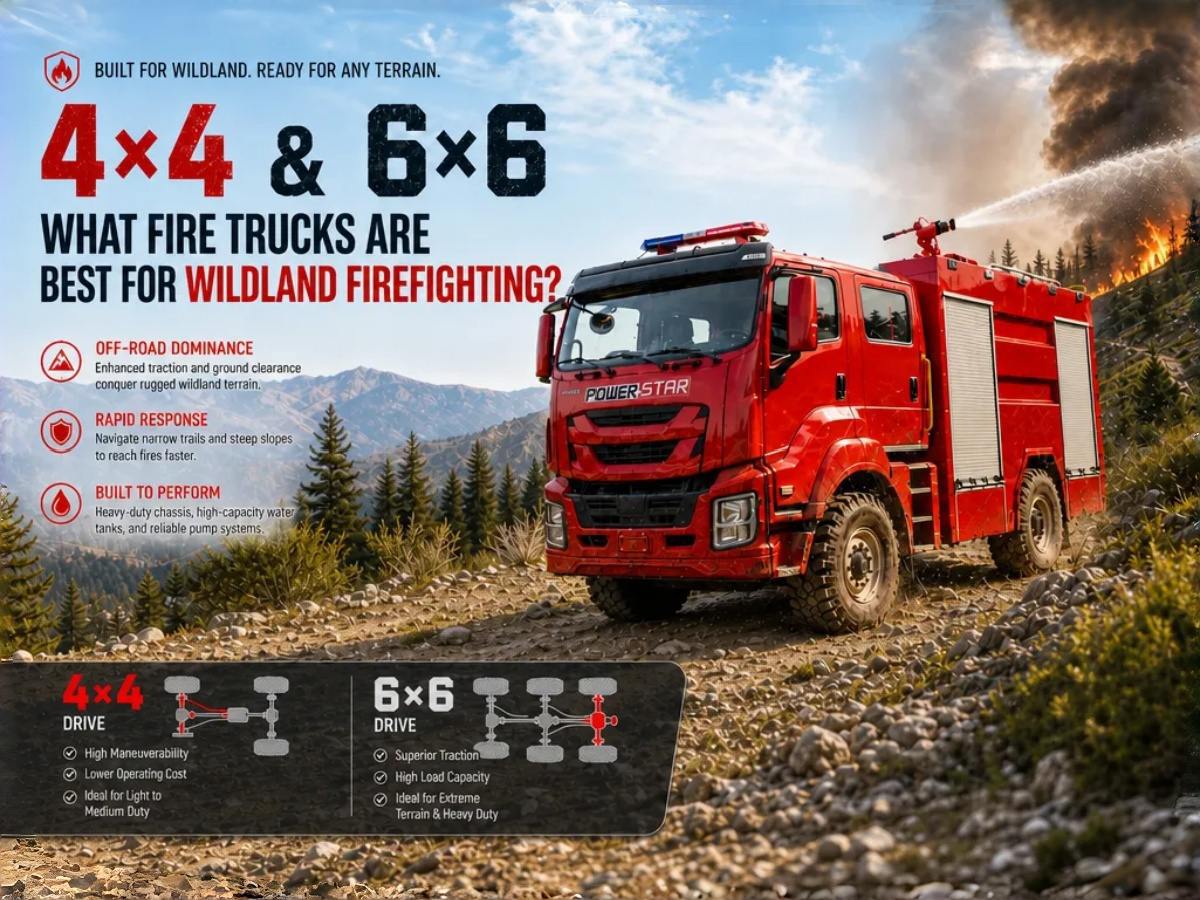
산불 진화는 구조물 화재 진압과 근본적으로 다른 여러 어려움을 수반합니다. 외딴 숲, 초원, 산악 지형에서는 소방차가 좁은 길을 통과하고, 가파른 경사면을 올라가며, 소화전이나 수원에서 멀리 떨어진 곳에서 운용되어야 합니다. 적합한 소방차를 선택하는 것은 대응 시간, 대원 안전, 화재 진압 효과에 직접적인 영향을 미치는 전략적 결정입니다. 이 글에서는 산불 진화에 가장 적합한 소방차 유형, 핵심 기능 및 선정 방법을 종합적으로 분석하여, 특정 운용 요구 사항에 맞는 올바른 결정을 내릴 수 있도록 돕습니다. 간단한 답변 산불은 넓은 화재 지역, 복잡한 지형, 제한된 수원, 열악한 도로 조건이 특징이므로 모든 산불 상황을 처리할 수 있는 단 하나의 소방차는 없습니다. 일반적으로 산불 진화에는 주로 다음과 같은 유형의 소방차가 사용됩니다: • 소형 산불 진화차: 산림 도로 접근 및 신속 대응용• 4×4 오프로드 산불 진화차: 산악 및 구릉 지형용• 6×6 산불 진화차: 대규모 산불 및 장시간 작전용• 물탱크차: 지속적인 물 공급 및 지원용• 폼 소방차: 석유 시설, 산림 장비 또는 특수 화재용• 구조 차량: 통신, 조명, 장애물 돌파 및 물류 지원용 I. 왜 산불에는 특수 소방차가 필요한가? 산불은 여러 중요한 측면에서 구조물 화재와 근본적으로 다릅니다: 산불의 주요 특징:• 수 헥타르에 달하는 넓은 화재 지역• 빠르게 변하는 풍향• 복잡하고 험준한 지형• 소화전 또는 수원에 대한 접근이 제한되거나 불가능함• 좁고 비포장된 산림 도로• 어려운 통신 환경 일반적인 도심 소방차는 다음과 같은 이유로 산불 진화에 적합하지 않은 경우가 많습니다: •비포장 산악 도로와 가파른 경사면에서 필요한 4×4 또는 사륜구동 기능이 부족함;•큰 차체와 낮은 지상고로 인해 좁은 산림 길과 연약한 지형에서 빠지기 쉬움;•도시용 펌프는 중간 압력에서 높은 유량을 우선하지만, 산불 진화 작업은 제한된 물을 사용하면서 긴 호스 배치에 높은 압력이 필요하므로 근본적으로 다른 방식이 요구됨. II. 일반적인 산불 진화차 유형 소방차 유형 주요 특징 적용 상황 소형 산불 진화차 높은 기동성, 소형 크기 산림 순찰, 초기 공격 4x4 산불 진화차 강력한 오프로드 성능 산악 및 구릉 지형 6x6 산불 진화차 대용량 물 저장 능력, 장시간 운용 대규모 산불 급수 차량 지속적인 물 공급 물류 지원, 급수 릴레이 폼 소방차 특수 화재 진압 산림 내 유류 저장소, 장비 구역 구조 차량 장비 운송 종합 구조 작업 III. 산불 진화 차량에 필요한 주요 성능 특징은 무엇인가? 1. 험지 주행 능력 산불 진화 차량은 험난한 지형에서 효과적으로 운용되기 위해 강력한 험지 주행 성능이 필요합니다: 구동 구성:• 4×4 구동은 대부분의 산불 진화 작업에서 최소 기준이며, 느슨한 흙, 자갈, 가파른 경사면에서 견인력을 제공합니다• 6×6 구동은 극한 조건에서 운용되는 대형 차량에 향상된 견인력과 적재 능력을 제공합니다• 여러 지형 모드(진흙, 눈, 바위, 모래)를 지원하는 상시 사륜구동은 다양한 조건에서 최적화된 성능을 제공합니다 차동 잠금장치:전방, 중앙 및 후방 차동 잠금장치는 다른 바퀴가 접지력을 잃을 때도 접지력이 있는 바퀴에 동력이 전달되도록 하여, 불규칙한 지형 주행과 차량 고립 방지에 필수적입니다. 최저 지상고:최소 300~400mm의 지상고는 차체 하부 손상 없이 바위, 쓰러진 나뭇가지, 울퉁불퉁한 지면을 통과할 수 있게 합니다. 접근각과 이탈각:• 접근각 ≥30°는 전면 범퍼가 경사면이나 장애물에 부딪히는 것을 방지합니다• 이탈각 ≥25°는 급경사를 내려갈 때 후면이 끌리는 것을 방지합니다 2. 물탱크 용량 산불 진화에서 물탱크 용량은 기동성과 차량 중량 사이의 균형을 고려해야 합니다: 더 큰 것이 항상 더 좋은 것은 아닌 이유:• 대형 물탱크는 상당한 중량을 추가하여 부드러운 산림 토양에서 차량이 빠질 위험을 높입니다• 무거운 차량은 무게 중심이 높아져 측면 경사면에서 전복 위험이 증가합니다• 무거운 차량은 산림 도로와 산길에 더 많은 손상을 줍니다• 중량이 증가하면 연료 소비가 늘어나 운용 거리가 감소합니다 임무 유형별 권장 탱크 용량: 임무 유형 권장 탱크 용량 근거 신속 출동 / 순찰 1,500~2,000L 속도와 기동성을 위한 경량 설계 초기 진압 (표준) 2,000~3,000L 균형 잡힌 용량과 기동성 장시간 운용 3,000~5,000L 중간 수준의 기동성을 유지하면서 더 긴 지속 운용 급수 / 중계 5,000~8,000L 최대 용량, 도로 전용 또는 제한적인 비포장도로 주행 3. 소방 펌프 시스템 펌프는 모든 산불 진압 차량의 핵심입니다. 산불용 펌프는 구조용 펌프와 근본적으로 다릅니다: 매개변수 도시 소방 펌프 산불 소방 펌프 유량 높음 (1,000~2,000 GPM) 중간 (30~150 GPM) 압력 중간 (150~200 psi) 높음 (250~400 psi) 중점 소화전 공급을 위한 유량 긴 호스 전개를 위한 압력 흡수 취수 간헐적 자연 수원에서 빈번하게 수행 산불용 펌프가 높은 압력을 우선하는 이유:• 긴 호스 전개(최대 1,000피트 이상)는 마찰 손실을 극복하기 위해 높은 압력이 필요합니다• 높은 압력은 가파른 경사면과 높은 지형의 화재까지 물이 도달하도록 합니다• 효율적인 물 사용은 제한된 탑재 물 공급으로 진압 효과를 극대화합니다 고압 미스트 시스템:• 물을 초미세 물방울(≤1mm)로 분사하여 최대 냉각 효율을 제공합니다• 일반적인 방수 흐름과 비교해 물 소비량을 최대 70%까지 줄입니다• 신속한 온도 감소와 연기 억제를 가능하게 합니다• 대량의 물 공급이 도착하기 전 초기 공격에 효과적입니다 4. 윈치 윈치는 외딴 지형에서 운용되는 산불 진압 차량에 필수적인 장비입니다: •자가 복구:진흙, 모래 또는 부드러운 산림 토양에 빠졌을 때 차량을 끌어내기•장애물 제거:도로를 막고 있는 쓰러진 나무, 바위 또는 잔해를 끌어냅니다•다른 차량 지원:갇힌 다른 장비를 회수하거나 위치를 재배치합니다•구조 작업:다른 방법으로 접근할 수 없는 지역에 접근합니다 권장 구성:최소 8,...
세부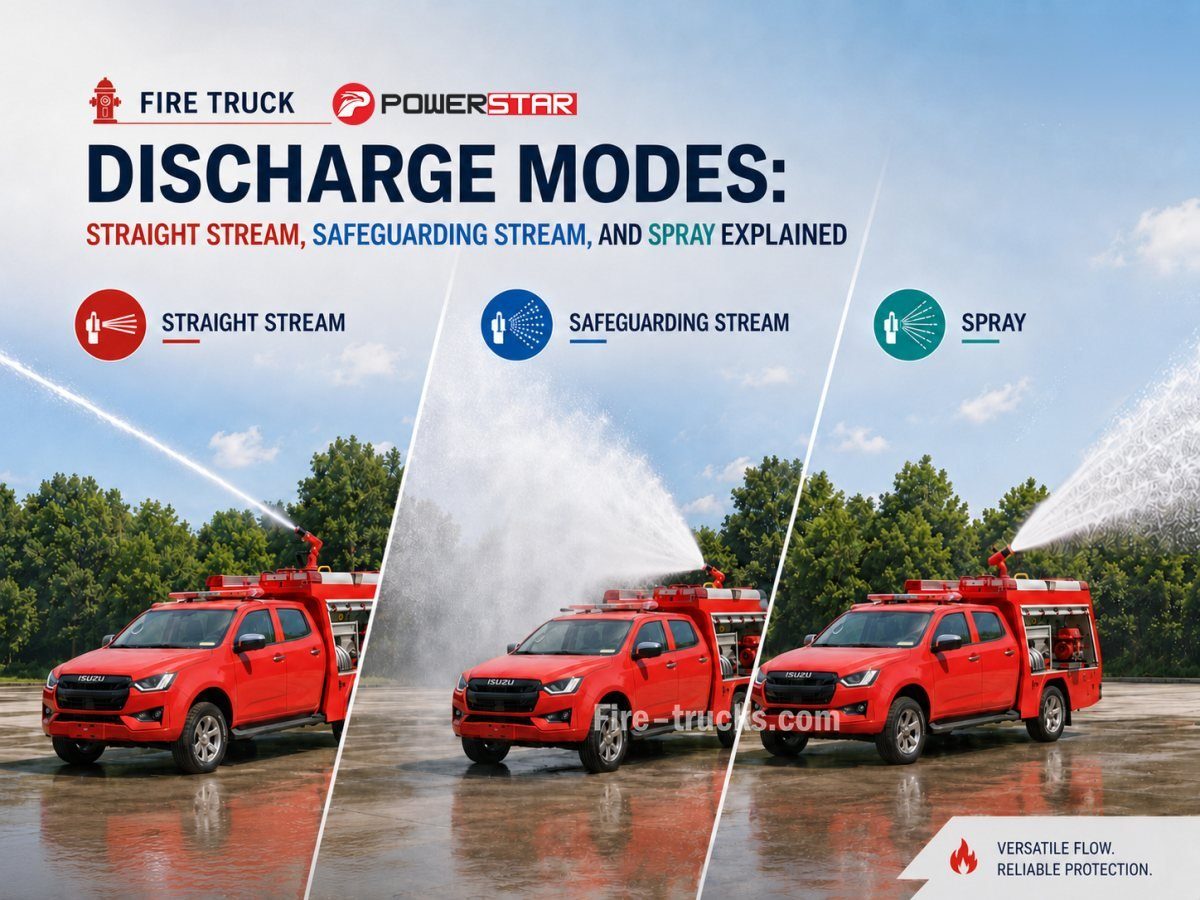
소방 작업에서 방수 모드의 선택은 화재 진압 효율, 작업 안전성, 그리고 화재 통제 효과를 직접적으로 결정합니다. 대부분의 사람들은 소방차 노즐이 직사류, 분무류, 방호류의 세 가지 핵심 방수 모드 사이를 전환할 수 있다는 사실을 알지 못합니다. 각 모드는 유량 패턴, 도달 거리, 충격력, 적용 범위에서 큰 차이가 있으며, 각각 완전히 다른 적용 화재 상황에 대응합니다. 이 글은 전문 소방 작업 기준을 바탕으로 세 가지 방수 모드의 원리, 핵심 특징, 적용 시나리오를 종합적으로 분석하여 고객이 소방차 방수 기술을 체계적으로 습득할 수 있도록 돕습니다. I. 소방차는 왜 다양한 방수 모드가 필요한가? 직사류, 분무류, 방호류는 각각 충격 진압, 기화 질식, 열복사 보호라는 세 가지 서로 다른 화재 진압 메커니즘에 대응합니다. 소방대원은 현장 상황에 따라 유연하게 전환해야 합니다. 그렇다면 왜 한 가지 형태의 방수만 계속 사용할 수 없을까요? 1. 다양한 화재 유형은 서로 다른 소화 매체 형태를 요구한다 화재 유형마다 연소 특성이 다르며, 이는 적절한 진압 방법을 결정합니다: • A급 고체 물질 화재는 직사류의 충격으로 연소 물질을 분해하고 내부 냉각을 위해 침투해야 합니다; • B급 액체 화재는 직사류의 충격을 사용할 수 없으며(비산을 일으켜 화재를 확산시킴), 대신 방호류 또는 분무류를 사용하여 덮고 희석해야 합니다; • E급 전기 통전 화재는 미세한 물방울이 연속적인 전도 경로를 형성하지 않기 때문에 분무류만 사용할 수 있습니다; • 밀폐 공간 화재는 분무류를 사용하여 전체 공간을 채우고, 기화 열 흡수와 질식을 통해 진압해야 합니다. 어떤 단일 모드도 모든 화재 유형에 대응할 수 없습니다. 2. 같은 화재라도 단계별로 다른 전술적 접근이 필요하다 같은 화재라도 단계가 다르면 서로 다른 방수 모드가 필요합니다: • 화재가 강렬한 초기 단계에서는 직사류가 필요하며, 장거리에서 화점에 충격을 가해 신속히 억제합니다; • 진입 과정에서는 방호류가 필요하며, 물막 장벽을 형성하여 열복사를 차단하고 인원을 보호합니다; • 실내 진입 전에는 분무류가 필요하며, 연기와 가스를 냉각하고 희석하여 내부 공격 조건을 조성합니다. 하나의 모드만으로는 전체 소방 과정에서 필요한 작업 요구를 충족할 수 없습니다. 3. 도달 거리, 적용 범위, 냉각 효율은 동시에 달성할 수 없다 세 가지 모드는 각각 세 가지 핵심 측면에서 장단점을 가지고 있습니다: • 직사류는 가장 긴 도달 거리(최대 120m 이상)를 가지지만 적용 범위가 작고 점 형태에 가깝습니다; • 분무류는 공간을 채우고 기화 열 흡수 효율이 가장 높지만 도달 거리가 가장 짧습니다; • 방호류는 부채꼴 형태로 넓은 적용 범위를 가지지만 도달 거리는 짧습니다. 화재 유형, 진행 단계, 전술 목표가 서로 다르기 때문에 하나의 방수 형태만으로는 모든 화재 상황에 적합할 수 없습니다. 세 가지 모드의 조합과 신속한 전환은 소방차가 변화하는 화재 현장 조건에 대응하기 위한 기본적인 작업 능력입니다. II. 직사류 모드: 장거리 공격, 깊숙한 화원에 직접 침투 직사류 물줄기는 고형 중심부 구간 없이 0°의 분사 가장자리 각도를 가집니다. 물은 고도로 집중된 기둥 형태로 방출되며, 긴 도달 거리와 강한 충격력을 갖추어 세 가지 모드 중 가장 먼 거리에 도달하는 방식입니다. 표준 소방 노즐은 21~39m의 직사류 도달 거리를 구현할 수 있으며, 고압 소방 모니터는 120m 이상에 도달할 수 있습니다. 1. 작동 원리 소방차에서 나오는 고압수는 전용 직사류 노즐을 통과하면서 유도되고 집중됩니다. 분무 효과는 제거되고 물은 완전히 집약되어 조밀하고 정밀하게 제어되는 고압 기둥형 방수류를 형성합니다. 이는 물의 운동량이 분산되지 않고 지속적이며 안정적으로 방출되도록 하여 도달 거리를 유지합니다. 2. 핵심 특징 직사류의 전체적인 특징은 매우 뚜렷하며, 네 가지 핵심 속성을 가집니다: 고도로 집중된 물기둥, 가장 긴 방수 거리, 최대 충격력, 그리고 매우 강한 화염 침투력입니다. 이는 세 가지 방수 모드 중 역학적으로 가장 우수한 형태입니다. 3. 장점과 단점 장점:장거리 소방 작업에 적합하며, 표면 화염과 연기를 관통하여 깊숙한 화원에 도달할 수 있습니다. 소방차 모니터와 함께 대유량 장거리 연속 방수가 가능하며, 고층 건물 및 개방 구역의 대규모 화재에 매우 적합합니다. 단점:물줄기가 집중되고 단일 방향이어서 적용 범위가 작고 전체적인 냉각 범위가 제한됩니다. 고정 지점 고압 방수는 건물 내부와 장비에 물 피해가 축적되기 쉬우며, 비교적 뚜렷한 2차 손실을 초래할 수 있습니다. 4. 권장 적용 시나리오 직사류는 고강도, 장거리, 깊숙한 화원에서 발생하는 개방 화염 화재에 적합합니다. 주요 적용 시나리오는 다음과 같습니다: 다양한 민간 및 상업 건물의 개방 화염 화재, 창고 저장 화재, 고층 건물 외부 및 내부의 깊숙한 화재, 산림 및 야외 지역의 장거리 개방 화염 진압, 그리고 소방 모니터를 활용한 대규모 산업 플랜트 및 장비 소방 작업. III. 분사 수류 모드: 특수 화재 상황을 위한 초미세 분무, 냉각 및 폭발 방지 분사 수류 평균 물방울 크기가 1mm 이하이며, 제트 가장자리 각도는 0°보다 크고 고형 중심부가 없습니다. 물은 극도로 미세한 안개 입자로 분해되어 매우 높은 기화 열흡수 효율을 가지며, 실내 화재, 전기 통전 화재 및 유독 가스 희석에 적합합니다. 1. 작동 원리 소방차의 특수 고압 미세분무 노즐 구조에 의존하여 기존 수류를 고속으로 절단하고 분산시킵니다. 노즐에서 방출될 때 원심력에 의해 미세한 물방울(≤1mm)로 찢어져 확산형 안개 수류를 형성합니다. 물안개는 기화 과정에서 많은 양의 열을 흡수하여 화재 현장 온도를 빠르게 낮추고, 수증기는 연소 구역의 산소 농도를 희석합니다. 2. 주요 특징 분사 수류는 가장 미세한 물방울과 가장 넓은 공기 접촉 표면적을 가지며, 냉각 열흡수 효율이 직선 수류와 방호 수류를 크게 능가합니다. 적은 물 사용량으로 더 높은 자원 활용 효율을 제공하며, 뛰어난 소화 정밀도를 갖춥니다. 3....
세부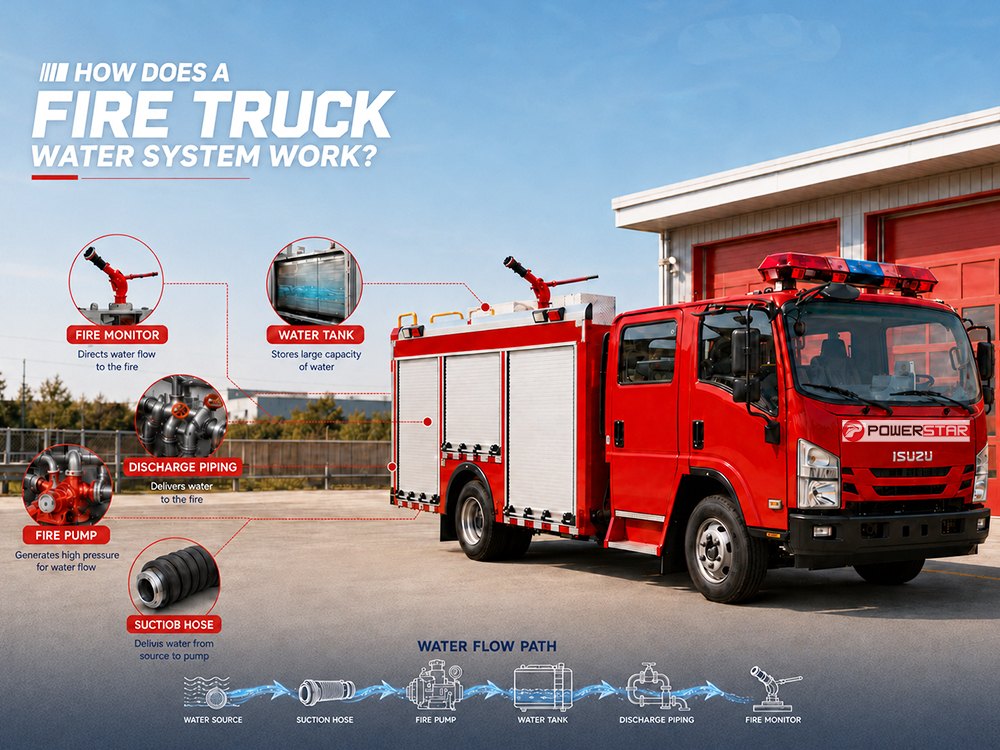
소방차 급수 배관 시스템은 모든 소방 작업의 핵심입니다. 이 시스템은 탱크 또는 외부 공급원에서 물을 펌프, 밸브, 배관을 통해 정확하게 유도하여 고압수 또는 포말을 화재 현장으로 전달합니다. 이는 도심 밀집 지역의 고층 건물 화재이든 산업 구역의 석유화학 저장 탱크 화재이든 동일하게 적용됩니다. 소방차 급수 배관 시스템은 여러 구성 요소가 함께 작동하여 이루어집니다: 소방 펌프, 물탱크, 흡입 호스, 토출 배관, 밸브, 분배 브리칭, 집합 브리칭, 스트레이너, 소방 모니터, 호스 커플링 등이 있습니다. 전체 유로는 다음과 같습니다: 물탱크 → 흡입 호스 → 스트레이너 → 소방 펌프 → 압력 조절 시스템 → 토출 매니폴드 → 밸브 → 분배 브리칭 → 소방 모니터 / 호스 커플링 → 노즐 이 글에서는 급수 배관 시스템의 각 구성 요소와 이들이 어떻게 함께 작동하여 적절한 압력과 유량으로 물을 공급하는지 설명합니다. I. 급수 배관 시스템의 핵심 구성 요소 물탱크 차량 탑재 급수량을 저장합니다. ● 용량: 일반적으로 2,000–12,000리터입니다. ● 공급: 흡입 배관을 통해 펌프에 물을 공급합니다. ● 특징: 차량 안정성을 위한 물 출렁임 방지 격벽, 이물질을 걸러내는 스트레이너, 자연 수원에서 흡수하기 위한 프라이밍 시스템을 갖춥니다. 소방 펌프 PTO를 통해 트럭 엔진으로 구동되는 원심 펌프이며, 단일/다단식, 주철 또는 청동 재질로 제작됩니다. ● 압력 등급: 표준 정격 0.8 MPa, 1.0 MPa, 1.2 MPa, 1.4 MPa로 제공되며 일반적인 소방 요구 사항에 맞습니다. ● 유량: 1,200~6,000 L/min 범위이며, 성능 곡선은 고압 및 대유량 작업 모두에 최적화되어 있습니다. 밸브 및 배관 물 흐름의 방향과 양을 제어하는 배관과 밸브의 네트워크입니다. ● 흡입 밸브: 펌프를 외부 수원(소화전 또는 흡수 지점)에 연결합니다. ● 탱크-펌프 밸브: 펌프가 차량 탑재 탱크에서 직접 물을 흡입할 수 있도록 합니다. ● 토출 밸브: 호스와 노즐로 가는 물 흐름을 제어합니다. II. 소방차 급수 배관 시스템의 작동 방식 1단계: 물 흡입 및 프라이밍 물은 차량 탑재 탱크, 소화전 또는 자연 수원(호수, 강, 연못)에서 시스템으로 유입됩니다. 자연 수원에서 흡수할 때 프라이밍 시스템(진공 펌프)은 흡입 호스에서 공기를 제거하여 진공을 생성하고, 대기압이 물을 펌프로 밀어 넣도록 합니다. 스트레이너는 이물질을 걸러 펌프를 보호하며, 체크 밸브는 역류를 방지합니다. 2단계: 펌프 가압 원심 펌프는 동력 인출장치(PTO)를 통해 트럭 엔진으로 구동됩니다. 펌프에 물이 채워지면 임펠러가 고속(1,500~2,500 RPM)으로 회전합니다. 원심력이 물을 바깥쪽으로 밀어내 속도를 증가시킵니다. 펌프 케이싱은 이 속도를 압력(일반적으로 0.8~1.2 MPa)으로 변환합니다. 전자식 압력 조절기는 설정 압력을 자동으로 유지하며, 릴리프 밸브는 과도한 압력 상승을 방지합니다. 3단계: 방출 및 분배 가압된 물은 펌프에서 방출 매니폴드를 통해 흐르며, 이 매니폴드는 물을 여러 출구로 분배합니다. 밸브는 각 출구로 흐르는 유량을 제어합니다. 분배 브리칭은 물 흐름을 여러 호스 라인으로 나누어 여러 소방관이 동시에 화재를 진압할 수 있도록 합니다. 집수 브리칭은 추가 유량이 필요할 때 여러 공급 라인의 물을 하나로 합칩니다. 물은 소방 모니터(대용량 원격 소방), 핸드라인(직접 진압), 고압 릴(국소 화재 진압)을 통해 공급됩니다. III. 완전한 소방차 급수 배관 시스템 1. 흡입 시스템(급수 및 여과) 구성 요소 재질 / 공정 기능 흡입 호스 견고형, 비수축형 흡수 작업 중 진공 압력에 견딤 스트레이너 스테인리스강 메시 유입되는 물의 이물질을 여과함 프라이밍 시스템 회전 베인 또는 피스톤 진공 펌프 흡수 작업 전에 흡입 호스에서 공기를 제거함 체크 밸브 황동 또는 스테인리스강 물의 역류를 방지함 2. 펌프 시스템(압력 생성) 소방 펌프:단일 단계 또는 2단계 원심 펌프. 유량은 1,200~6,000 L/min입니다. 압력은 최대 2.5 MPa입니다. 트럭 엔진의 PTO로 구동됩니다. 압력 조절기:유량 변화와 관계없이 설정된 토출 압력을 자동으로 유지하는 전자 제어 시스템입니다. 릴리프 밸브:압력이 설정 한계를 초과하면 열려 초과된 물을 탱크로 우회시키는 기계식 안전 밸브입니다. 3. 방출 시스템(물 공급) 방출 매니폴드:가압된 물을 여러 출구(DN65, DN80, DN100)로 분배합니다. 밸브:볼 밸브 또는 버터플라이 밸브가 각 출구로 흐르는 물의 유량을 제어합니다. 분배 브리칭:하나의 물 흐름을 두 개 이상의 흐름으로 나누어 여러 호스 라인에 공급합니다. 집수 브리칭:여러 공급 라인의 물을 하나의 흐름으로 결합합니다. 소방 모니터:지붕 장착형 또는 턴테이블 장착형으로, 360° 회전, -30°~80° 수직 경사, 최대 70미터의 방수 범위를 가집니다. 호스 커플링:빠르고 안전한 호스 연결을 위한 표준 Storz 또는 나사식 커플링. 고정식 또는 이동식 노즐:다양한 소방 상황에 적합함. IV. 소방차 배관 기능 요약 배관 이름 영어 기능 흡입 호스 흡입 호스 물 흡입 방출 배관 방출 배관 고압수 공급 폼 라인 폼 라인 폼 농축액 공급 순환 배관 순환 배관 펌프 과열 방지 배수 배관 배수 배관 시스템 배수 시험 배관 시험 배관 압력 시험 V. 일반적인 문제 및 해결 방법 문제 가능한 원인 해결 방법 펌프가 프라이밍되지 않음 흡입 호스의 공기 누출 모든 흡입 연결부를 점검하고 조임 낮은 수압 막힌 스트레이너, 마모된 임펠러 스트레이너 청소; 임펠러 점검 물 누출 마모된 씰 또는 개스킷 씰과 개스킷 교체 압력 변동 시스템 내 공기, 조속기 오작동 다시 프라이밍하고 압력 조절기를 확인하십시오 출구로의 유량 없음 밸브 닫힘, 배관 막힘 체크 밸브를 확인하고 막힘을 제거하십시오 VI. 자주 묻는 질문(FAQ) 1. 소방차 급수 배관 시스템의 주요 동력원은 무엇입니까? 핵심 동력은 차량 엔진에서 나오며, 엔진은 동력 인출장치(PTO)를 통해 소방 펌프를 구...
세부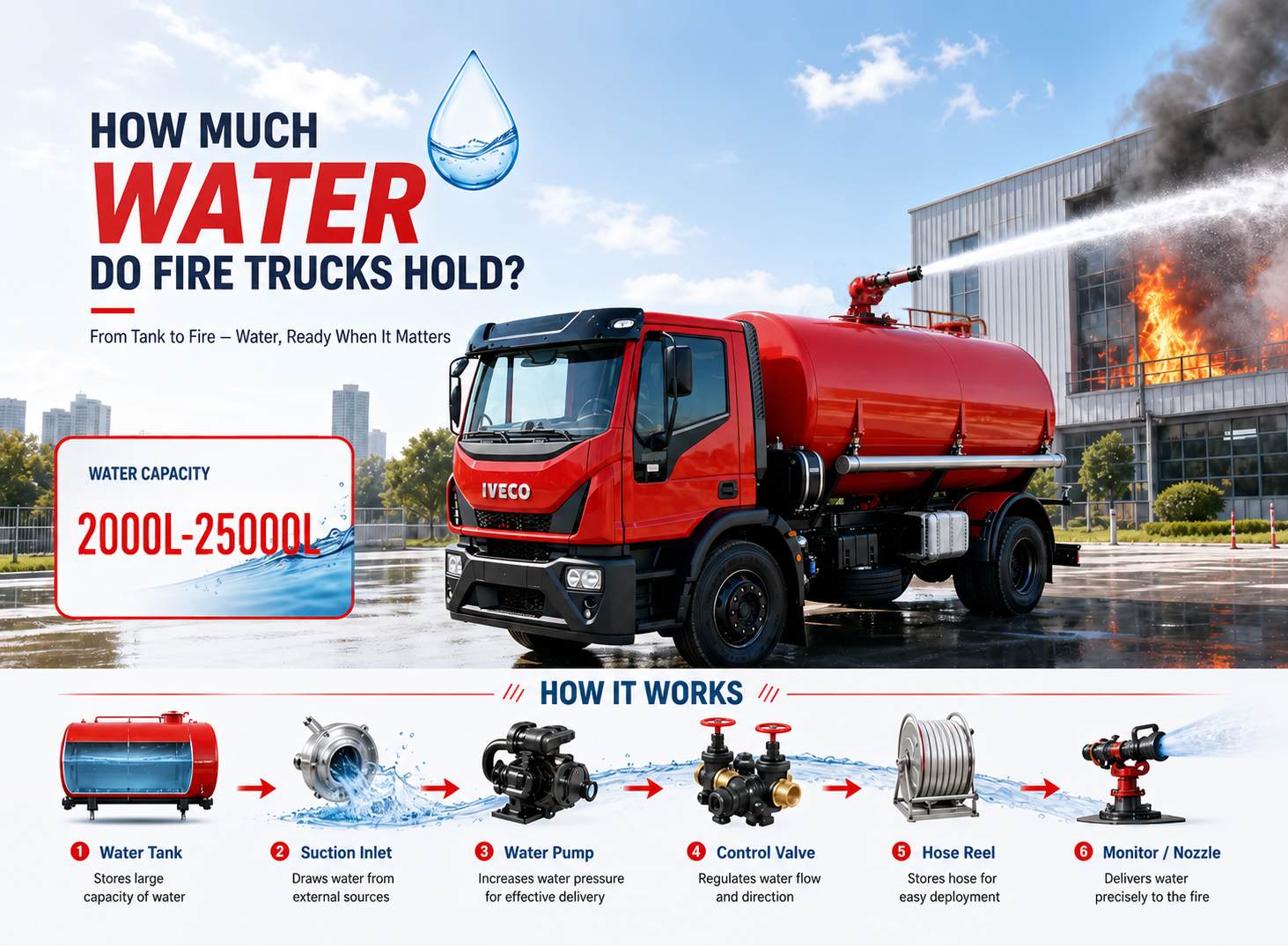
소방차는 얼마나 많은 물을 운반할 수 있을까요? 이는 고객이 소방차를 선택할 때 직면하는 첫 번째 질문 중 하나입니다. 정해진 단일 수치는 없습니다. 차량 유형, 섀시 용량, 설계 목적, 지역 규정에 따라 달라지며, 2,000리터급 경량 장치부터 25,000리터급 산업용 소방차까지 다양합니다. 하지만 더 큰 탱크가 항상 더 나은 성능을 의미하는 것은 아닙니다;소방 차량 물탱크 용량은 효과적인 소방 결과를 제공하기 위해 펌프 유량, 방수포 방출 유량, 섀시 용량과 적절하게 맞춰져야 합니다. 이 글은 소방차 물탱크 용량의 기본 원리부터 시작하여 다양한 차량 유형의 일반적인 저장 용량 범위를 분석하고, 탱크 설계에 영향을 미치는 주요 요인을 살펴보며, 실용적인 구매 지침을 제공합니다. 핵심 요점: 소방차 물탱크 용량은 일반적으로 2,000리터에서 25,000리터 범위입니다 다양한 소방차 유형은 서로 다른 탱크 용량을 가집니다 더 큰 탱크가 더 나은 소방 능력을 의미하지는 않습니다 탱크 용량은 펌프 유량, 방수포 유량, 섀시 용량과 맞춰야 합니다 산업용 소방은 일반적으로 대용량 탱크를 필요로 하는 반면, 도시 소방은 기동성을 우선시합니다 » I. 소방차 물탱크의 세 가지 기본 유형 펌프 소방차:이는 가장 일반적인 도시용 소방차입니다. 주로 소화전을 물 공급원으로 사용하며 초기 공격을 위해 약 1,900–3,800리터의 탑재 물을 운반합니다. 이 차량의 핵심은 탱크가 아니라 펌프이며, 소화전에 연결된 후 가압된 물을 공급하도록 설계되었습니다. 탱크 소방차(물 운반차):이 차량은 대량의 물을 운반하는 데 특화되어 있으며, 탱크 용량은 일반적으로 11,400리터를 초과합니다. 소화전을 사용할 수 없는 농촌 및 원격 지역에서 중요한 역할을 하며, 수원에서 화재 현장으로 물을 운반해 펌프 소방차가 사용할 수 있도록 합니다. 펌프-탱크 소방차:이 차량은 하나의 장치에 펌핑과 물 운반 기능을 결합합니다. 소방을 위해 물을 방출할 수 있고 다른 차량에 물을 공급할 수도 있습니다. 탱크 용량은 일반적으로 5,700리터에서 11,400리터 범위이며, 소방 기관을 위한 다목적 솔루션입니다. » II. 다양한 유형의 소방차는 얼마나 많은 물을 운반할 수 있을까요? 소방차 유형 일반적인 탱크 용량 주요 용도 경량 소방차 2,000–3,000 L 도시 신속 대응, 초기 공격 도시용 펌프 소방차 3,000–6,000 L 도시 소방, 건축물 화재 중형 펌프 소방차 6,000–10,000 L 도시 및 산업 작업 병행 대형 펌프 소방차 10,000–15,000 L 장시간 작전, 장거리 대응 산업용 소방차 15,000–25,000 L 석유, 화학, 광산 화재 진압 » III. 소방차 물 시스템은 어떻게 작동할까요? 소방차는 단순한 이동식 물탱크가 아니라 완전한 물 공급 시스템입니다. 탱크에 저장된 물은 화재에 도달하기 전에 여러 주요 구성 요소를 통과해야 합니다. 전체 흐름 경로는 다음과 같습니다: 물탱크 → 흡입 배관 → 소방 펌프 → 압력 제어 시스템 → 방출 매니폴드 → 방수포/노즐/호스 물탱크 물탱크는 핵심 저장 용기입니다. 그 설계는 사용 가능한 물 용량과 사용 수명에 직접적인 영향을 미칩니다. 물 출렁임 방지 격벽:주행 및 급회전 시 물의 쏠림을 방지하여 차량 안정성을 유지하는 내부 칸막이입니다. 부식 방지 소재:탱크는 일반적으로 장기간 물에 의한 부식을 견디기 위해 304 스테인리스강 또는 코팅된 탄소강으로 제작됩니다. 맨홀:탱크 내부 점검, 청소 및 유지보수를 위한 탱크 상부의 출입구입니다. 수위 표시기:남은 물의 양을 실시간으로 표시하여 운영자가 소방 전략을 계획하는 데 도움을 줍니다. 흡입 배관 흡입 배관은 탱크의 물을 소방 펌프로 전달합니다. 일반적으로 유동 저항을 줄이기 위해 대구경으로 설계되며, 역류 방지를 위한 체크 밸브가 장착되고, 이물질이 펌프로 들어가는 것을 방지하기 위한 스트레이너가 설치됩니다. 소방 펌프 소방 펌프는 급수 시스템의 동력 핵심입니다. 다음 역할을 담당합니다: 배관 저항과 수직 양정을 극복하기 위한 수압 형성 소방 수요를 충족하기 위한 유량 증가 장시간 작업을 위한 지속적인 물 공급 제공 토출 시스템 가압된 물은 토출 매니폴드를 통해 다양한 공급 장치로 전달됩니다. 여기에는 소방 모니터(대용량 원격 소화), 휴대용 노즐(정밀 소화), 고압 호스 릴(국소 화재 또는 신속 대응용), 여러 토출구(동시 호스 연결)가 포함됩니다. » IV. 왜 소방차는 탱크 용량의 100%를 방출할 수 없을까요? 많은 사람들은 10,000리터 탱크가 10,000리터의 물을 방출할 수 있다고 생각합니다. 실제로 사용 가능한 물의 양은 일반적으로 표시된 탱크 용량보다 적습니다. 주요 원인은 다음과 같습니다: 1. 흡입구 높이 제한 소방 펌프의 흡입구는 일반적으로 물탱크 바닥과 맞닿아 있지 않고 탱크 바닥 위의 일정 높이에 위치합니다. 이는 바닥에 침전된 침전물과 불순물이 흡입되는 것을 방지하기 위한 설계입니다. 그러나 이로 인해 탱크 최하부의 물 약 5%–10%는 펌프로 흡입되어 사용할 수 없습니다. 2. 소방 펌프 내부로 공기 유입 방지 흡입구는 펌프 본체로 공기가 유입되는 것을 방지하기 위해 항상 완전히 잠겨 있어야 합니다. 공기가 흡입되면 펌프가 공회전 상태로 작동하거나, 캐비테이션(임펠러가 공기 방울과 물의 혼합물 속에서 회전하고, 붕괴하는 기포가 충격파를 발생시켜 임펠러를 손상시키는 현상)이 발생하며, 압력이 급격히 저하될 수 있습니다. 심한 경우 소방 펌프가 손상되거나 완전히 파손될 수 있습니다. 3. 탱크 내부 격벽의 영향 격벽은 탱크를 여러 구획으로 나눕니다. 차량 이동 중 물의 쏠림을 효과적으로 억제하지만, 이러한 구획 하단의 유동 구멍은 비교적 작습니다. 수위가 낮을 때 물의 유량이 제한되어 일부 물이 적시에 흡입 배관 영역에 도달하지 못합니다. 명목 용량 사용 가능 용량 손실 비율 5,000 L 약 4,500–4,700 L 6%–10% 10,000 L 약 9,000–9,400 L 6%–10% 15,000 L 약 13,500–14,100 L 6%–10% » ...
세부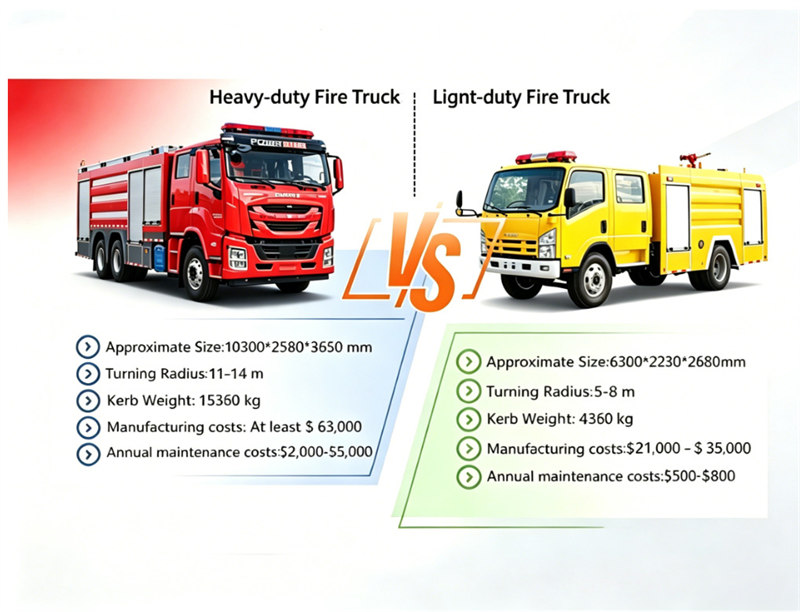
소방 구조 트럭의 수요는 대도시 지역과 농촌 또는 소도시 지역사회 간에 크게 다릅니다. 대형 도시 소방서는 고층 화재, 산업 화재, 대규모 재난 상황을 처리하기 위해 대형 물탱크, 고층 사다리, 완전한 산업급 구성을 갖춘 중형 이상 소방차에 의존합니다. 그러나 소도시, 농촌 마을, 마을 소방서, 의용소방대에서는 대형 소방차가 종종 장점보다 부담이 되는 경우가 많습니다. 이 때문에 경형 소방차는 전 세계 소도시 및 농촌 소방서의 주류이자 가장 실용적인 해결책이 되었습니다. 소형 크기, 유연한 이동성, 완전한 기본 구조 기능, 낮은 전체 비용의 균형을 갖춘 경형 소방차는 지역 기반 소방팀의 일상적인 구조 및 화재 예방 요구에 완벽하게 부합합니다. 경형 소방차는 지역 기반, 교외 및 농촌 화재 상황을 위해 특별히 설계된 소형·경량 비상 소방 차량입니다. I. 대형 소방차와 경형 소방차 비교: 명확하게 확인하기위해 Ⅱ.경형 소방차의 주요 특징: 1.경량이면서 높은 적재 능력을 갖춘 설계. 완전히 적재한 상태에서도 총 차량 중량은 8,000kg 이하로 유지되어 초고속 비상 대응이 가능합니다. 2.원격 지역에서 흔한 거칠고 고르지 않은 도로 환경에 대응하기 위해 사륜구동 맞춤 설정을 선택할 수 있습니다. 3.전 범위의 소방 기능을 그대로 유지합니다: a. 물과 소화용 폼을 위한 이중 독립 탱크. b. 출동하는 전체 소방대원을 수용할 수 있는 이중 열 승무원실. c. 완전한 표준 비상 구조 소방 장비 목록. d. 현장 조명 시스템 및 견인 장비를 포함한 선택 사양 추가 기능. 4.동력 인출 장치(PTO) 시스템은 핵심 작동 구동 장치 역할을 합니다. 직관적인 제어 방식과 간단한 유지보수 및 부품 교체 기능을 갖추고 있습니다. 내구성이 높은 핵심 부품은 농촌 및 읍면 지역 소방서의 장기 비상 운영 비용을 크게 절감합니다. Ⅲ다음은 가장 인기 있는 경형 소방차 모델입니다: 섀시 모델 HOWO 1880 구동 시스템 우핸들/좌핸들, 4x2/4x4 선택 가능 엔진 출력 160마력 공차 중량 4350kg 용량 3CBM 물탱크 + 1.5CBM 폼 탱크 소방 펌프 CB10/40 소방 포탑 PL48 작동 범위 55m 섀시 모델 ISUZU NPR 700P 구동 시스템 우핸들/좌핸들, 4x2/4x4 선택 가능 엔진 출력 190마력 공차 중량 4450kg 용량 3CBM 물탱크 + 1.5CBM 폼 탱크 소방 펌프 CB10/40 소방 포대포 PL48 작업 범위 55m Ⅳ경형 소방차 고객 리뷰: “여러 농촌 지역 소방서를 관리하는 소방서장으로서, Powerstar에서 구매한 경형 소방차 묶음에 매우 깊은 인상을 받았습니다. 모든 차량은 정밀하고 견고한 제작 품질ì�
세부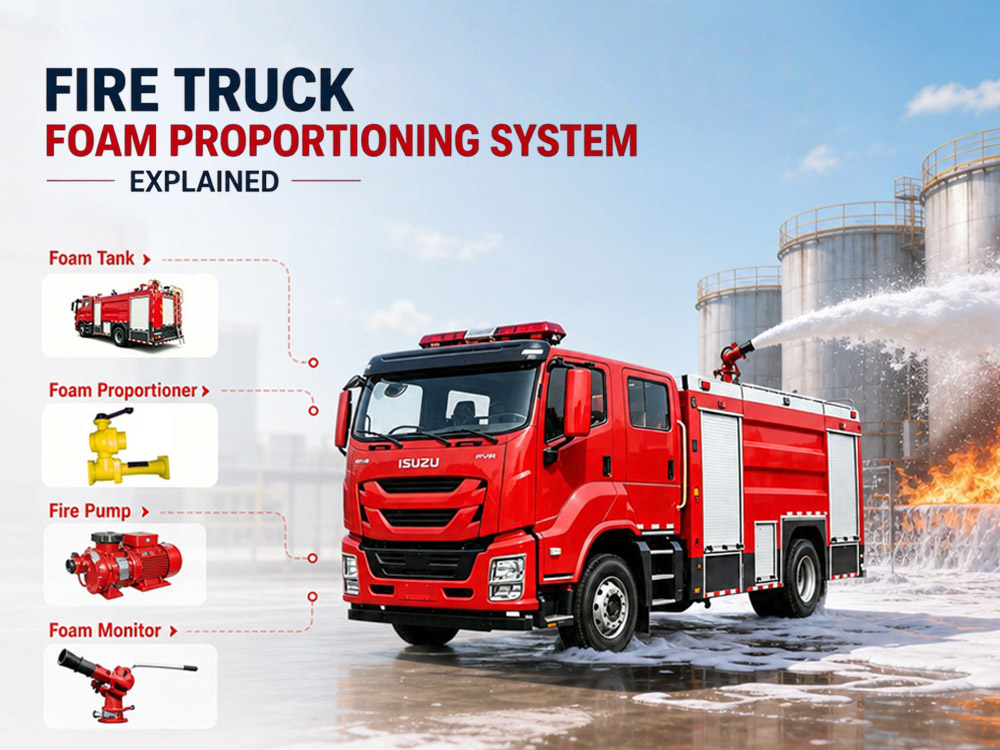
소방차 폼 시스템은 물과 폼 원액을 정확한 비율(1%, 3% 또는 6%)로 혼합하여 폼 용액을 생성합니다. 이 용액은 소방 펌프에 의해 가압된 후 폼 노즐을 통해 공기와 함께 팽창합니다 — 이것이 폼 소방차가 폼과 물을 혼합하는 방식의 핵심 작동 원리이며 — 궁극적으로 연료 표면을 덮는 안정적인 폼 층을 생성합니다. 이 과정은 소화 효율을 50% 이상 향상시키는 동시에 폼 원액 낭비를 30% 줄입니다. » I. 소방차에 폼 시스템이 필요한 이유는 무엇인가? 물만 사용하는 것과 비교하면 폼은 세 가지 주요 장점을 제공합니다: 1. 산소 차단— 폼은 연소 표면을 덮어 산소가 연소 영역에 도달하는 것을 막는 밀도 높은 물리적 장벽을 형성하여 화재를 억제합니다. 2. 온도 감소— 폼 용액의 수분 성분은 증발하면서 많은 양의 열을 흡수하여 연소 영역의 온도를 빠르게 낮춥니다. 3. 재발화 방지— 폼 층은 소화 후에도 화재 영역을 계속 덮어 산소와 가연성 증기를 효과적으로 차단하고 재발화 위험을 크게 줄입니다. » II. 폼 시스템의 핵심 작동 원리 1. 혼합 시스템:물은 혼합기를 통과 → 음압(부압 시스템)을 생성하거나 폼 펌프(양압 시스템)를 사용 → 폼 탱크에서 폼 원액을 흡입 → 사전 설정 비율(1%, 3% 또는 6%)로 혼합 → 폼 용액이 펌프로 흐름. 2. 펌프 가압:폼 용액은 원심 펌프로 유입 → 0.8–1.2 MPa로 가압 → 배관을 통해 방출구 또는 폼 모니터로 전달됩니다. 3. 폼 팽창:가압된 폼 용액은 폼 노즐 또는 공기 혼합 장치를 통과 → 공기가 혼입됨 → 용액이 완성된 폼으로 팽창 → 연료 표면을 덮음 → 산소를 차단하고 화재를 억제함. 핵심 개념: 폼 원액 + 물은 완성된 폼과 같지 않습니다. 혼합된 폼 용액은 여전히 액체 상태이며 — 진정한 소화용 폼이 되려면 폼 노즐을 통해 공기와 결합해야 합니다. 고압 폼 용액이 고속으로 노즐을 통과하면 국부적인 음압 영역이 생성되어 강제로 공기를 끌어들입니다. 노즐 내부에서 공기와 액체가 충돌하고 강하게 전단되면서 즉시 수백만 개의 미세 기포로 분해되고, 이 기포들이 축적되어 흰색 폼을 형성합니다. » III. 소방차는 어떻게 폼과 물을 혼합하는가? 소방차의 폼 혼합 과정은 물 공급부터 최종 폼 생성까지 네 가지 주요 단계로 구성됩니다. 1단계: 소방 펌프가 물 흐름을 공급함 소방차가 작동된 후 소방 펌프는 폼 시스템에 동력을 제공합니다. 수원은 차량 탑재 탱크, 소화전, 강, 호수 또는 저수지 등이 될 수 있습니다. 소방 펌프는 수압을 형성하고 안정적인 유량을 제공하며 물을 폼 혼합 시스템으로 밀어 넣는 역할을 합니다. 2단계: 폼 원액이 시스템에 유입됨 소방차에는 독립형 폼 탱크(304 스테인리스강, 200–2,000리터)가 장착되어 있습니다. 운전자가 폼 모드를 활성화하면 폼 원액이 물 흐름에 유입됩니다. 3단계: 폼 원액과 물이 적절한 비율로 혼합됨 폼 혼합 시스템은 사전 설정된 비율에 따라 추가되는 폼 원액의 양을 정밀하게 제어합니다. 계산 예: 소방 펌프 유량이 60 L/s이고 폼 비율이 3%인 경우, 60 × 3% = 초당 1.8 L/s의 폼 원액이 추가되어 폼 용액 유량은 61.8 L/s가 됩니다. 일반적인 혼합 비율 및 적용 분야: 혼합 비율 적용 시나리오 0.1%–0.3% 습윤제, 물의 효과 향상(일반 화재 Class A) 1% 일부 일반 화재 Class A, 저팽창 폼 적용 3% 석유, 연료유, 탄화수소 액체 화재(표준 비율) 6% 대형 연료유 화재, 극성 용제 화재(알코올, 아세톤 등) 4단계: 소방용 폼 형성 공기와 혼합된 후 폼 용액은 부피가 크게 팽창하는 안정적인 폼 층을 형성하여 더 넓은 범위를 덮을 수 있습니다. 산소를 효과적으로 차단하고 연료 표면을 냉각하며 가연성 증기를 억제합니다. » IV. 소방차 폼 시스템의 세 가지 주요 구성 요소 폼 탱크 304 스테인리스강 구조, 내부식성 설계, 맨홀 덮개, 수위 표시기, 배수구 및 통기 밸브 장착. 폼 비례 혼합기 물 배관에 설치되며, 부압 또는 정압을 사용하여 폼 원액을 물 흐름에 주입합니다. 일반적인 혼합 비율: 1%, 3%, 6%. 폼 모니터 지붕 장착형 또는 휴대형으로, 수평 360° 회전, 수직 -30°~80° 기울기 조절이 가능하며 화재 진압용 팽창 폼을 생성할 수 있습니다. » V. 소방차 폼 비례 혼합 시스템 유형 1. 펌프 직접 비례 혼합 시스템(부압 방식) 소방 펌프가 생성하는 부압을 이용하여 폼 탱크에서 폼 원액을 물 흐름으로 흡입합니다. 표준 폼 소방차 및 지방자치단체 소방 차량에 적합합니다. 장점: 복잡한 이동 부품이 없는 단순한 구조 낮은 비용, 경제적 유지 관리가 쉽고 고장률이 낮음 높은 신뢰성과 내구성 단점: 혼합 정확도가 보통 수준이며 수압과 유량 변화의 영향을 크게 받음 큰 유량 변동 시 정확한 비율을 유지할 수 없음 폼 비율이 일반적으로 고정되어 있음(예: 3% 또는 6%) 및 조절 불가 2. 균형 압력 폼 비례 혼합 시스템 독립적인 폼 펌프가 압력을 생성하여 폼 원액 압력이 항상 물 압력과 동일하게(균형을 이루도록) 유지합니다. 이 시스템은 압력 조절 밸브를 통해 두 흐름 사이의 압력 차이를 지속적으로 감시하고 자동으로 균형을 조절하여 다양한 유량 및 압력 조건에서도 정확한 혼합 비율을 보장합니다. 석유화학 소방차 및 공항 소방차에 적합합니다. 장점: 오차가 매우 적은 정밀한 혼합 비율 유량 변화에 적응하며 유량 변동 중에도 안정성 유지 높은 안정성, 수압 변화의 영향을 받지 않음 혼합 비율을 범위 내에서 조절 가능(예: 1%~6%) 단점: 구조가 더 복잡하며 추가 폼 펌프 및 제어 시스템 필요 펌프 직접 방식보다 높은 비용 더 높은 유지 관리 요구 사항 3. 전자식 폼 비례 혼합 시스템 작동 원리:폐쇄 루프 제어 시스템을 사용하며, 유량 센서, 전자 제어 장치 및 정밀 주입 밸브로 구성됩니다. 이 시스템은 물 유량과 폼 농축액 유량을 실시간으로 모니터링하고, 폼 농축액 주입량을 자동으로 계산 및 조정하여 항상 정밀한 혼합 비율을 유지합니다. 고급 소방차, 대형 산업용 소방 시스템 및 공항 소...
세부
계속 읽어보시고, 최신 정보를 받아보시고, 구독하시고, 여러분의 생각을 알려주세요.


 한국의
한국의 English
 français
 Deutsch
 русский
 italiano
 español
 português
 Nederlands
 العربية
 日本語
日本語 Türkçe
 Melayu
 ไทย
ไทย Tiếng Việt
 Indonesia
  中文
中文 қазақ
қазақ Filipino
 မြန်မာ
 српски

 IPv6 네트워크가 지원됩니다